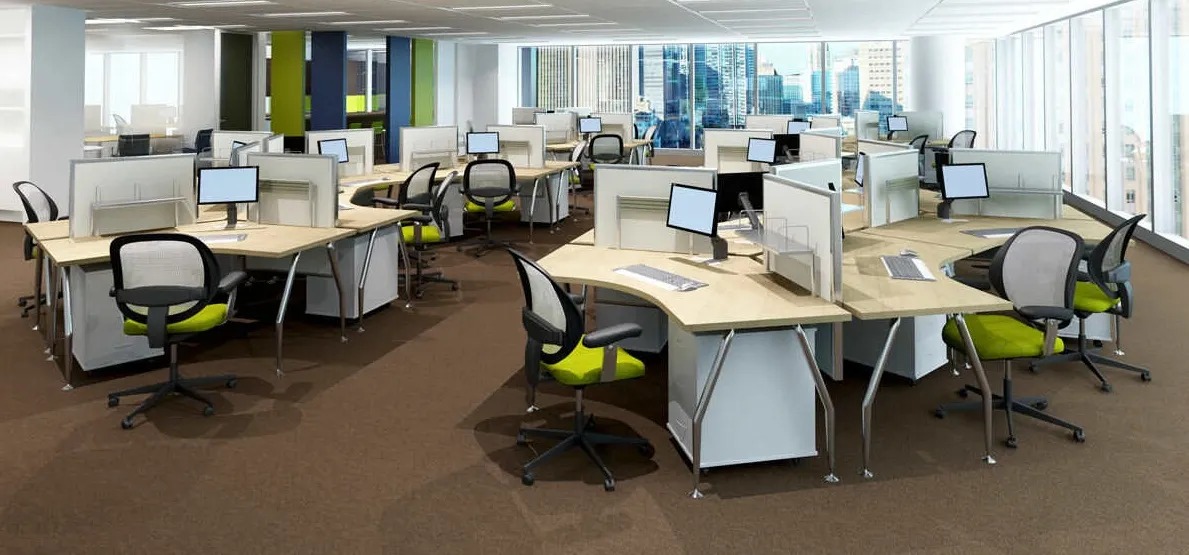
A clean office is not just about having tidy desks and empty bins. True workplace cleanliness means addressing every surface - including the ones nobody looks at. In most Melbourne offices, there are areas that are consistently overlooked in routine cleaning, and it is precisely these areas where the most significant accumulations of dirt, dust, allergens and bacteria occur.
Whether your office is cleaned by your own staff or by a contracted service, these are the areas most likely to be missed - and the reasons they should not be.
Why Do Overlooked Areas Matter in Office Cleaning?
Neglected areas in an office are not just unsightly - they are genuinely harmful. Dust accumulation in vents affects air quality for everyone in the building. Bacteria on shared equipment contributes to illness transmission. Allergens behind frames and on upholstery affect staff with sensitivities. The areas that are out of sight are often the ones that cause the most hygiene problems.
A professional office cleaning service in Melbourne that applies a systematic, comprehensive approach to every clean will address these hidden trouble spots as a matter of routine.
The Most Commonly Overlooked Areas in Melbourne Offices
1. Vents and Air Ducts
Air vents and ducts are among the most neglected surfaces in the typical Melbourne office. Dust, lint, pollen and airborne particles accumulate in vents over time. When the HVAC system runs, this accumulated material is recirculated throughout the building, reducing air quality and increasing allergen load.
The impact on employees with asthma, hay fever or other respiratory sensitivities can be significant. Regular professional duct cleaning should be scheduled alongside general office cleaning, particularly in older buildings or those with high occupancy.
2. Behind Printers and Electronic Equipment
The space behind and beneath printers, photocopiers and electronic equipment is a significant dust trap. Fine paper dust - a byproduct of normal printing - coats every surface in the vicinity and is particularly attracted to electronic components.
Beyond the hygiene concern, allowing excessive dust to accumulate around electronic equipment accelerates wear and can contribute to overheating and mechanical failure. Regular cleaning in and around this equipment protects your assets as well as your team’s health.
3. Keyboards, Mice and Shared Devices
Personal workstation peripherals are among the most contaminated surfaces in any office. Studies consistently show that the average office keyboard harbours significantly more bacteria per square centimetre than a toilet seat. Mice, phone handsets, and shared devices like conference room remotes and presentation clickers are equally problematic.
These items are handled constantly throughout the day by individuals who also touch door handles, eat at their desks, and shake hands with clients. Yet they are almost never included in routine office cleaning. A professional clean should include wiping and disinfecting all keyboards, mice, phone handsets and shared peripherals on a regular schedule.
4. Breakroom Appliances and Surfaces
The kitchen or breakroom is one of the most important spaces in any office from a hygiene perspective. Coffee machines, microwaves, refrigerators and kettles all receive heavy daily use and accumulate food residue, spills and bacterial contamination rapidly.
The interior of the microwave, the drip tray of the coffee machine, the door seal of the refrigerator and the underside of kettle lids are all areas that standard daily wiping misses but that professional cleaning should include on a regular schedule.
5. Shared Kitchen Equipment
Beyond the major appliances, smaller shared items in the office kitchen are frequently overlooked. Toasters accumulate crumb trays that are rarely emptied. The communal dish rack collects standing water and soap scum. Cupboard handles, the bin lid, and the tap handle on the filtered water dispenser are all high-touch surfaces that receive minimal cleaning attention.
The office fridge deserves particular mention. In many Melbourne workplaces, expired food, spilled containers and unclaimed items create a breeding ground for bacteria and unpleasant odours. A weekly fridge clean-out policy, combined with professional sanitisation during regular cleaning visits, prevents this common problem.
6. Light Fixtures and Switchboards
Light fittings and switchboards are pressed, touched and operated dozens of times a day by multiple people, yet they are almost never cleaned in routine office maintenance. Light fixtures also attract insects drawn to the heat and light, leaving debris that accumulates unseen.
Cleaning light switches and touch plates with an appropriate disinfectant should be part of the daily high-touch surface routine.
7. Under and Behind Desks
The area underneath and behind office desks is a significant accumulation zone for dust, crumbs, dropped items and cable-tangled debris. In open-plan Melbourne offices, this zone is particularly problematic because cleaning staff often cannot access it without asking employees to move their chairs and belongings.
Cable management areas beneath desks trap dust that is difficult to reach with a standard vacuum. The backs of desk pedestals, the underside of desk surfaces, and the space between desks pushed against walls all collect material that is never visible but continuously present. These areas should be thoroughly cleaned during periodic deep cleans, with desks pulled away from walls where possible.
8. Art, Decorative Items and Photo Frames
Art pieces, framed certifications, decorative objects and photo frames are functional and aesthetic additions to the office - but they are also dust magnets. A single pass with a finger across the top of a framed print or decorative shelf item will reveal how rapidly dust settles on these surfaces.
These items should be included in regular dusting routines, including the walls behind them where dust shadows accumulate.
9. Office Furniture Undersides and Upholstery
The front and seating surface of office chairs are regularly wiped in routine cleaning, but the undersides, armrests, castors and back panels accumulate significant amounts of dust, hair and debris. Similarly, the sides and back panels of sofas and reception furniture gather material that is never seen but continuously present.
Office upholstery - chairs, lounges, reception seating - should be professionally steam cleaned periodically in addition to regular vacuuming. This removes allergens, bacteria and odours that build up in fabric over time.
10. Curtains, Blinds and Window Treatments
Fabric curtains, blinds and window treatments harbour allergens, bacteria and dust that are not easily removed by wiping. Standard cleaning routines almost never include these elements, yet they can hold significant quantities of irritants that are disturbed into the air every time they are opened or moved.
Curtains should be professionally cleaned or laundered periodically. Blinds should be wiped down as part of regular cleaning.
The Health Impact of Neglected Office Cleaning
The consequences of overlooking these areas extend well beyond aesthetics. Melbourne businesses that allow dust, bacteria and allergens to accumulate in hidden areas typically experience:
- Higher absenteeism - Employees exposed to poor indoor air quality and contaminated surfaces take more sick days. Respiratory infections, allergic reactions and viral illnesses spread more readily in offices with inadequate cleaning.
- Reduced productivity - Even employees who do not take sick days are affected. Dust-related headaches, eye irritation and general discomfort reduce concentration and output.
- Increased allergy symptoms - Melbourne’s climate produces high pollen counts during spring and summer. When outdoor allergens combine with indoor dust, mould spores and pet dander tracked in on clothing, the allergen load in a poorly cleaned office becomes significant.
- Negative impressions on clients and visitors - Dusty vent covers, grimy light switches and stained upholstery send a message about your business standards. Clients who notice these details may question the attention to detail you bring to your work.
Investing in thorough, systematic cleaning that addresses hidden areas is not an expense - it is a direct investment in employee wellbeing and business performance.
How Often Should Melbourne Offices Schedule Professional Deep Cleans?
Routine daily or weekly cleaning addresses surface-level maintenance, but a periodic professional deep clean is essential for reaching the areas described in this article. The appropriate frequency depends on your office environment:
- High-traffic offices (50+ employees) - Quarterly deep cleans at minimum, with monthly attention to high-risk areas such as kitchens, bathrooms and HVAC vents.
- Standard offices (10-50 employees) - A thorough deep clean every 6 months, supplemented by regular professional cleaning of high-touch and high-traffic areas.
- Small offices (under 10 employees) - An annual deep clean combined with a regular professional cleaning schedule that includes periodic attention to overlooked areas.
Seasonal timing also matters. Scheduling a deep clean at the start of Melbourne’s cooler months helps address dust and allergen buildup before windows are closed for winter. A second deep clean in spring addresses the increased pollen and debris that accumulates during the warmer months.
Total Cleaning Melbourne’s commercial cleaning services include comprehensive deep cleaning programmes tailored to your office size, industry and specific requirements.
FAQ
Q: How do I know if these areas are being properly addressed by my current cleaning service?
Ask your cleaning provider for a written checklist of all areas covered in each service. If specific areas such as vents, light fixtures, furniture undersides and appliances are not listed, raise this with them and request their inclusion. A reputable Melbourne cleaning company will provide a detailed scope of work as standard.
Q: How often should overlooked areas be cleaned?
High-touch surfaces like light switches, keyboards and shared devices should be cleaned daily. Areas like vents, duct covers and behind printers should be addressed monthly. Upholstery, curtains and under-desk areas should be professionally cleaned every 6-12 months depending on use and occupancy levels.
Q: Can these neglected areas affect staff health?
Yes, significantly. Accumulated dust in vents, allergens in upholstery and bacteria on shared surfaces all contribute to respiratory issues, skin irritation, increased allergy symptoms and higher rates of viral illness in the office. Melbourne businesses that invest in comprehensive cleaning programmes typically report fewer sick days and improved staff wellbeing.
Q: What is the difference between routine cleaning and a professional deep clean?
Routine cleaning covers visible surfaces - desks, floors, bins, bathrooms and kitchens. A professional deep clean targets the hidden areas that routine cleaning misses: inside vents, behind equipment, under furniture, upholstery fibres, grout lines, and high-level surfaces like light fittings and ceiling corners. Both are necessary for a genuinely clean office.
Q: Should I replace my regular cleaning service with periodic deep cleans?
No. Regular cleaning and periodic deep cleans serve different purposes and both are essential. Daily or weekly cleaning maintains day-to-day hygiene and presentation. Deep cleans address accumulated contamination in areas that routine cleaning cannot reach. The most effective approach is a combination of both, managed by a professional provider who understands your specific needs.
Where Can You Get Comprehensive Office Cleaning in Melbourne?
Total Cleaning Melbourne provides thorough, systematic office cleaning that addresses every area - including the ones most services miss. Our IICRC-certified, fully insured and police-checked team follows a detailed process for every clean, ensuring your Melbourne office is genuinely clean from top to bottom.
Contact us today for a free quote on comprehensive office cleaning services.
Need professional cleaning help?
Our IICRC-certified team services all Melbourne suburbs. Get a free, no-obligation quote today.
IICRC-certified cleaning professionals serving all Melbourne suburbs since 2014.