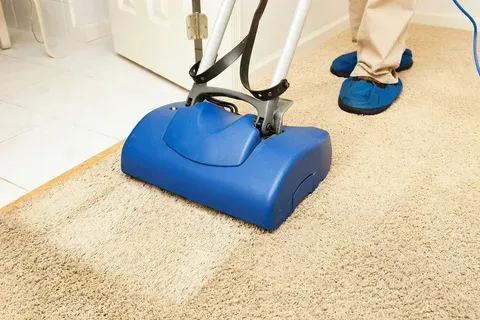
If you find yourself sneezing, sniffling, or experiencing itchy eyes more often at home than anywhere else, the source might not be immediately obvious - but it could be living deep within your carpets. Dust mites and the allergens they produce are among the leading causes of indoor allergic reactions in Melbourne homes, and carpets are their primary habitat.
Professional carpet steam cleaning in Melbourne is the most effective way to reduce dust mite populations and allergen levels in your home, delivering measurable health benefits for allergy sufferers and asthma patients. Here is everything you need to know about the connection between carpet hygiene and indoor allergies.
What Are Dust Mites?
Dust mites are microscopic arthropods - related to spiders and ticks - that are invisible to the naked eye. They feed on the dead skin cells that all humans and animals shed continuously, and they thrive in the warm, humid microenvironment created by carpets, mattresses, bedding, and upholstered furniture.
The dust mites themselves are not the direct allergen. It is their waste products - faecal particles and shed exoskeletons - that contain the proteins that trigger allergic reactions in sensitive individuals. These particles are extremely fine and become easily airborne with any movement, entering the respiratory system and triggering symptoms.
Common dust mite allergy symptoms include:
- Sneezing and runny nose
- Nasal congestion
- Itchy, watery eyes
- Coughing and wheezing
- Hives, rashes, or eczema
- Worsening of asthma symptoms
- Disturbed sleep due to nighttime symptoms
If you experience these symptoms consistently at home - and particularly if they worsen when the heating is on or when you vacuum - dust mites in your carpets may be a significant contributing factor.
Other Indoor Allergens Found in Carpets
Beyond dust mites, Melbourne carpets accumulate a range of other allergens that affect sensitive individuals:
Pet dander: Cats, dogs, and other pets shed tiny flakes of skin (dander) that embed in carpet fibres and trigger allergic reactions. Pet hair also carries dust mites, pollen, and other outdoor allergens into the home.
Mould spores: In Melbourne’s climate, particularly during humid summer months, mould can develop in carpet fibres - particularly where moisture has been introduced through flooding, spills, or high-humidity conditions. Mould spores are a potent allergen and respiratory irritant.
Pollen: Pollen tracked in from outside on shoes and clothing settles in carpet fibres and can sustain allergic reactions throughout the year, not just during the outdoor pollen season.
Which Carpet Cleaning Method Is Most Effective for Allergen Reduction?
Not all carpet cleaning methods address allergens equally effectively.
Steam Cleaning (Hot Water Extraction)
Steam cleaning is the gold standard for allergen reduction in carpets. Pressurised hot water penetrates deep into the carpet pile, killing dust mites at all life stages through heat exposure. The powerful suction extraction removes not just living dust mites but also their waste products, exoskeletons, pet dander, mould spores, and pollen from deep within the carpet structure.
For the best allergen reduction results, choose a steam cleaner that heats water to at least 55 degrees Celsius - the temperature required to kill dust mites reliably. Professional equipment used by Total Cleaning Melbourne far exceeds this threshold, ensuring effective mite kill throughout the carpet depth.
Encapsulation Cleaning
Encapsulation uses polymer compounds to surround and encapsulate allergen particles so they can be extracted by vacuuming. It is effective for allergen management and can be used between steam cleans as part of a more frequent maintenance programme. However, it does not kill dust mites as reliably as heat-based methods.
Dry Cleaning
Dry carpet cleaning methods remove some surface allergens but are generally less effective for dust mite control than steam cleaning. They do not kill mites and typically cannot penetrate as deeply into the carpet pile. Dry cleaning is better suited to surface maintenance between deeper treatments than to allergen-focused cleaning.
DIY vs. Professional Carpet Cleaning for Allergies
DIY Carpet Cleaning
Consumer-grade carpet cleaning machines can remove some surface-level allergens and are useful for regular maintenance between professional treatments. However, they typically do not achieve the water temperature, pressure, or suction power of professional equipment. For households with severe allergy issues, DIY cleaning alone is unlikely to reduce allergen levels sufficiently.
Professional Carpet Cleaning
Professional Melbourne carpet cleaning delivers the most significant allergen reduction through the combination of high heat (killing mites), deep penetration (reaching the lower layers of the pile), and powerful extraction (removing allergens thoroughly). For allergy sufferers, professional cleaning every 6 to 12 months is the most effective investment in indoor air quality.
At Total Cleaning Melbourne, our advanced extraction equipment is specifically designed to deliver the deep, thorough clean that reduces allergen burden most effectively. Book our carpet steam cleaning service for the best possible allergen reduction results.
Additional Steps to Reduce Dust Mites and Allergens
Professional carpet cleaning should be combined with broader allergen management strategies for maximum effect:
- Vacuum frequently with a HEPA-filter vacuum - at least two to three times per week in high-traffic areas
- Use allergen-proof mattress and pillow covers to reduce the sleeping environment allergen load
- Wash all bedding weekly in hot water (above 60°C) to kill dust mites in soft furnishings
- Maintain indoor humidity below 50% - dust mites and mould both thrive in humid conditions. A dehumidifier is a worthwhile investment for Melbourne homes
- Consider professional mattress cleaning - mattresses carry one of the highest dust mite loads in the home. Professional rug and mattress steam cleaning significantly reduces this allergen reservoir
Frequently Asked Questions
Q: How quickly can I expect allergy symptoms to improve after professional carpet cleaning?
Most allergy sufferers notice an improvement within one to two weeks of a thorough professional carpet clean, as the allergen load in the home reduces and the respiratory system has time to recover. The improvement is often most noticeable during periods when windows are closed - particularly in winter when indoor allergen concentrations are highest.
Q: Should I have my carpet and mattress cleaned at the same time?
Yes - for maximum allergen reduction, treating both carpets and mattresses in the same programme is highly effective. Mattresses carry one of the highest dust mite populations in the home, and cleaning one allergen reservoir while leaving others untreated limits the overall benefit. Combined carpet and mattress cleaning delivers the most significant improvement to indoor air quality.
Q: How do I know if my carpet has a significant dust mite problem?
You cannot see dust mites, but the following signs suggest a significant population: allergy or asthma symptoms that worsen at home or when the heating is on; symptoms that improve when you spend time away from home; persistent respiratory symptoms in spite of regular vacuuming. An allergen test kit can detect dust mite allergen levels in carpet dust, though professional assessment is more accurate.
Breathe Easier with Professional Carpet Cleaning
For Melbourne households where allergy or asthma is a daily concern, professional carpet cleaning is not a luxury - it is a practical, evidence-based intervention that can meaningfully improve quality of life. Total Cleaning Melbourne’s specialist carpet steam cleaning team is ready to help.
Contact Total Cleaning Melbourne today to book your professional carpet cleaning service and take a meaningful step towards a healthier indoor environment for your family.
IICRC-certified cleaning professionals serving all Melbourne suburbs since 2014.