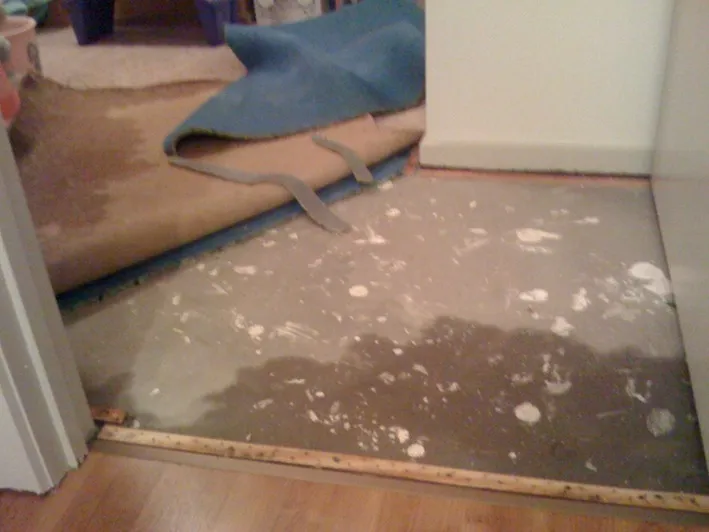
When a flood hits your Melbourne home - whether from a burst pipe, storm overflow, appliance leak, or roof damage - the minutes and hours that follow are critical. Water damage spreads rapidly, soaking through carpet backing, padding, and subfloors before you can see the full extent of the problem. While waiting for a professional flood and water damage restoration team to arrive, there are immediate steps you can take to limit the damage and improve the chances of saving your carpet.
This guide explains what water damage actually is, why fast action matters, and exactly what to do before the specialist team arrives.
Why Fast Action Matters After Flood Damage
After a flood, visible water damage is only the beginning. What concerns specialists most is the hidden moisture that continues working long after the obvious water has been removed. Carpet backing, underlay, and subfloors absorb and retain significant amounts of water - creating the ideal conditions for mould growth, structural damage, and permanent material degradation.
Mould can begin establishing itself within 24 to 48 hours of a flooding event in warm or humid conditions - a very real concern in Melbourne’s climate. Once mould is established within carpet and underlay, remediation becomes significantly more complex and costly. In severe cases, the carpet and underlay must be completely replaced.
The sooner you act, the better the outcomes - for your carpet, your home, and your household’s health.
What Water Damage Really Is
Water damage in the context of flooded carpet refers to the penetration of unwanted water into building materials and soft furnishings. Even a relatively modest leak can cause damage that extends well beyond the visible wet area, as water wicks laterally through carpet backing and underlay before saturating the subfloor beneath.
Sources of residential water damage in Melbourne include:
- Burst or leaking pipes
- Storm and rainwater ingress
- Appliance failures (washing machines, dishwashers, refrigerators)
- Hot water system overflow or failure
- Roof leaks penetrating ceilings and walls
- Sewage backflow
Each of these scenarios carries different contamination risks, which affects how the carpet can be treated. Clean water from a supply pipe is less hazardous than contaminated water from sewage or flooding - the contamination level should always be reported to your restoration specialist.
How Water Damage Leads to Mould
Mould spores are naturally present in the air throughout Melbourne homes. Under normal conditions, there are insufficient moisture and nutrients available for them to develop into active mould colonies. Flooded carpet changes this equation dramatically - the combination of trapped moisture, organic material in the carpet fibres and underlay, and warm temperatures creates ideal conditions for rapid mould growth.
Once established, mould spreads through the carpet and into the subfloor and wall cavities, causing structural damage and releasing airborne spores that affect air quality and health. Mould exposure can trigger allergic reactions, respiratory symptoms, and in severe cases, more serious health effects - particularly for children, elderly residents, and those with pre-existing respiratory conditions.
What to Do While Waiting for the Specialist
Step 1: Ensure Safety First
Before entering a flooded area, confirm that all electrical circuits in the affected zone have been isolated. Water and electricity are a lethal combination. If you are unsure whether power has been safely disconnected, wait for the specialist or an electrician before entering.
Wear rubber-soled footwear and gloves. If the water has a colour, an odour, or there is any possibility it has been contaminated by sewage or chemicals, minimise direct contact.
Step 2: Remove Standing Water
Using a wet/dry vacuum, mop, or buckets, remove as much standing water from the surface of the carpet as possible. This does not fully address the saturation in the backing and underlay, but removing surface water reduces the total moisture load and slows the rate of further penetration.
Do not use a standard household vacuum for this purpose - it is not designed for wet use and will be damaged. Only a wet/dry vacuum is appropriate.
Step 3: Maximise Airflow and Ventilation
Open all available windows and doors to introduce fresh air and promote evaporation. Place fans - floor fans or pedestal fans - to direct airflow across the wet carpet surface. If you have a dehumidifier available, deploy it in the affected room to reduce the humidity level and assist drying.
Avoid turning on the ducted air conditioning if there is any possibility that the ducts have been affected by the water, as this can spread contamination throughout the home.
Step 4: Elevate Furniture and Remove Rugs
Move furniture off the wet carpet immediately to prevent the transfer of staining from furniture feet and to allow air to circulate under the furniture. Place aluminium foil, plastic bags, or purpose-made furniture protectors under the legs of any pieces that cannot be moved.
Remove any area rugs from the flooded carpet and lay them flat in a dry, ventilated area to air dry. Do not stack wet rugs on top of each other.
Step 5: Do Not Use Bleach on Coloured Carpet
A common but damaging mistake is applying bleach to wet carpet in an attempt to prevent mould. Bleach will permanently remove colour from carpet fibres, creating an irreversible and visually obvious result. Never use bleach on coloured carpet under any circumstances.
If you wish to apply an antimicrobial treatment while waiting for the specialist, use only products specifically formulated for use on wet carpet and consult the specialist before applying anything.
What the Specialist Will Do
When the flood and water damage restoration team from Total Cleaning Melbourne arrives, they will:
- Assess the extent and contamination level of the water damage
- Use moisture measurement equipment to map the wet areas precisely
- Extract remaining water from carpet and underlay using professional extraction equipment
- Apply commercial drying equipment including high-capacity air movers and dehumidifiers
- Treat affected areas with antimicrobial products where required
- Monitor drying progress and adjust equipment accordingly
- Advise on the salvageability of carpet and underlay
Frequently Asked Questions
Q: Can flooded carpet always be saved?
Not always - it depends on the extent of water damage, the contamination level of the water, and how quickly the restoration process begins. Clean water flooding addressed quickly has a high probability of being successfully dried and restored. Heavily contaminated water (sewage, floodwater from external sources) or flooding that has been left for extended periods is more likely to require carpet replacement. Your specialist will provide an honest assessment.
Q: How long does water damage restoration take?
Drying times depend on the extent of the flooding, the type of materials affected, and environmental conditions. Most residential water damage restoration jobs require three to five days of continuous drying before moisture levels return to acceptable levels. Structural materials that have absorbed significant water may take longer.
Q: What should I tell the specialist when they arrive?
Provide as much information as possible: the source of the water, when the flooding occurred, the approximate area affected, whether any contaminated water may be involved, and any steps you have already taken. This information helps the specialist deploy the correct equipment and treatment approach immediately.
Act Fast, Limit the Damage
When carpet flooding occurs in your Melbourne home, every hour matters. Take the immediate steps outlined above to slow the damage, and call Total Cleaning Melbourne’s flood and water damage restoration team as quickly as possible. The sooner professional drying and restoration begins, the better the outcome for your carpet, your home, and your household.
Contact Total Cleaning Melbourne immediately for emergency flood and water damage restoration services across Melbourne.
For specialist carpet flood damage including emergency wet carpet drying and carpet flood damage restoration, visit our dedicated flood division at Total Flood Damage Melbourne.
IICRC-certified cleaning professionals serving all Melbourne suburbs since 2014.