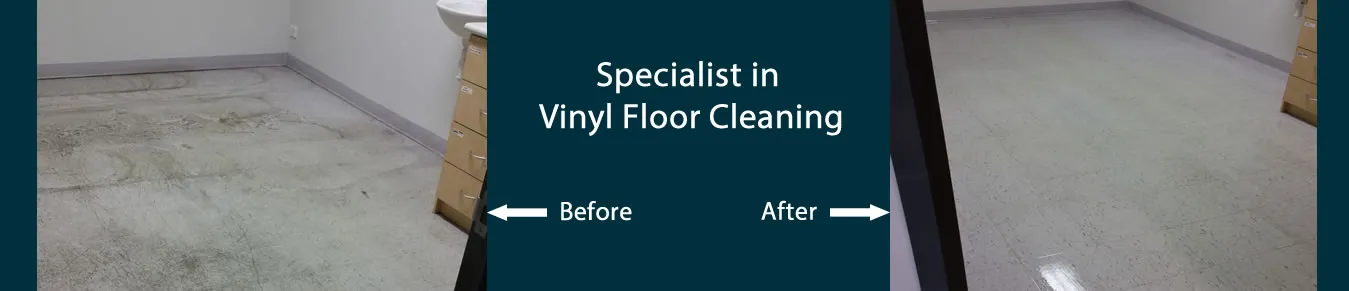
Vinyl flooring is one of the most practical and widely used floor types across Melbourne. It is durable, water-resistant, easy to maintain, and found everywhere from family kitchens and laundries to schools, medical centres, aged care facilities, and retail shops. But no matter how tough vinyl is, the protective sealant layer eventually wears down. When it does, the floor starts to look dull, scuffed, and tired — and no amount of mopping will bring it back.
That is where strip and seal comes in. This guide explains what the process involves, what affects the cost, and how to know when your Melbourne vinyl floor is due for attention.
What Does Strip and Seal Mean?
Strip and seal is the process of removing the old, worn sealant from a vinyl floor and applying fresh coats of new sealant. It is essentially a full restoration of the protective finish that keeps the floor looking good and resisting wear.
Here is the process step by step:
Step 1: Stripping the old sealant
A professional-grade stripping solution is applied to the floor and left to dwell for a set period. This dissolves the old sealant, breaking it down so it can be removed. The floor is then scrubbed with a rotary machine fitted with a stripping pad to lift all the old coating, dirt, and buildup. The dissolved sealant and residue are extracted using a wet vacuum.
This step is the most labour-intensive part of the process. Floors with multiple old layers of sealant or heavy wax buildup take longer to strip than floors that have been maintained regularly.
Step 2: Cleaning and neutralising
After stripping, the bare vinyl is cleaned and rinsed to remove all chemical residue. The floor is then neutralised — this ensures the pH level of the surface is correct for the new sealant to bond properly. Skipping this step results in poor adhesion and a finish that peels or flakes prematurely.
Step 3: Applying new sealant
Fresh sealant is applied in thin, even coats using a flat mop applicator. Each coat needs to dry completely before the next is applied. A standard residential job typically requires 3 to 4 coats for a solid, durable finish. Commercial floors may need 4 to 6 coats to handle higher traffic volumes.
The sealant provides a protective barrier against scuffing, staining, moisture, and general wear. It also gives the floor its sheen — from a subtle matte to a high gloss, depending on the product used.
Step 4: Drying and curing
The floor can typically be walked on with care within 2 to 4 hours after the final coat. Full curing takes 24 to 48 hours. During this time, heavy furniture should not be placed on the floor and the surface should not be mopped or wet.
What Affects the Cost?
Several factors determine the price of a vinyl floor strip and seal job in Melbourne:
Floor area
The total square metreage is the primary cost driver. Larger areas have a lower per-square-metre rate than small rooms because the setup, equipment, and travel costs are spread across a bigger surface. A single kitchen is proportionally more expensive per square metre than an entire school corridor.
Current condition
Floors that have been regularly maintained and re-sealed on schedule are easier and faster to strip than floors with years of accumulated old sealant, wax buildup, or ground-in dirt. A well-maintained floor might need one pass with the stripping machine; a neglected one might need two or three.
Number of sealant coats
More coats mean more product and more drying time. A residential kitchen needing 3 coats costs less than a commercial hallway needing 5 or 6 coats. The number of coats depends on the expected traffic and the level of durability required.
Residential vs commercial
Commercial jobs often involve after-hours work (evenings or weekends to avoid disrupting business operations), which can affect pricing. However, commercial contracts for regular maintenance — such as quarterly or bi-annual strip and seal — often come with preferential rates because of the ongoing relationship.
Access and preparation
A clear, empty floor is the ideal starting point. If furniture needs to be moved, areas taped off, or access is restricted (narrow corridors, multiple rooms, stairs), the job takes longer and costs more. For the best result and most efficient pricing, have the area cleared before the team arrives.
How Often Does Vinyl Flooring Need Strip and Seal?
The frequency depends on the traffic the floor receives:
| Setting | Typical Frequency | Why |
|---|---|---|
| Residential (kitchen, laundry) | Every 2 to 3 years | Moderate foot traffic, some water exposure. Regular mopping extends the life of the sealant. |
| Schools and childcare | Every 6 to 12 months | Very high foot traffic, frequent spills, chairs and tables dragged across the surface. |
| Medical centres and clinics | Every 6 to 12 months | Hygiene requirements, wheelchair and trolley traffic, frequent cleaning with strong products that degrade sealant faster. |
| Retail shops | Every 12 to 18 months | Steady foot traffic, trolleys, stock movements. Appearance matters for customer perception. |
| Aged care facilities | Every 6 to 12 months | Safety requirements (non-slip finish), wheelchair traffic, strict hygiene standards. |
| Office buildings | Every 12 to 24 months | Moderate traffic in common areas. Individual offices may need less frequent attention. |
Between full strip and seal jobs, regular buffing (also called burnishing) can extend the life of the sealant and maintain the floor’s appearance. Buffing is a lighter, faster, and more affordable maintenance step that restores shine without removing the existing sealant.
Signs Your Vinyl Floor Needs Re-Sealing
Not sure if your floor is due? Here are the telltale signs:
- Dull patches in high-traffic areas: If the floor is shiny in corners and under furniture but dull where people walk, the sealant has worn through in those areas.
- Scuff marks that will not buff out: When scuffs from shoes and furniture cannot be removed with a regular mop or buff, the sealant protecting the vinyl has been compromised.
- Discolouration or yellowing: Old sealant can yellow over time, particularly in areas exposed to sunlight. This gives the floor a dingy, dated appearance.
- Water absorption: A well-sealed vinyl floor repels water. If you notice water soaking in or darkening the surface, the sealant barrier has failed.
- Visible wear patterns: Clear lines showing traffic paths — from the door to the counter, from the lift to the reception desk — indicate the sealant has worn away along those routes.
- Floor looks dirty even after mopping: If mopping no longer makes the floor look clean, it is often because dirt has penetrated past the worn sealant into the vinyl itself. A strip and reseal is the solution.
Melbourne Commercial Properties: Common Vinyl Floor Applications
Vinyl is the floor of choice for many Melbourne commercial properties because of its durability and practicality. Here are the most common settings where we provide strip and seal services:
- Schools and kindergartens: Melbourne schools typically strip and seal during term breaks (January and July are the busiest periods). Planning ahead and booking early ensures your school is ready for students on day one of the new term.
- Medical practices and dental clinics: Hygiene standards in healthcare settings require floors to be in excellent condition. A well-sealed vinyl floor is easy to sanitise and meets infection control requirements.
- Retail shops: From Chapel Street boutiques to suburban shopping centres, clean floors contribute to the customer experience. A fresh strip and seal before a seasonal sale or store refit makes a noticeable difference.
- Aged care and nursing homes: Safety is the priority. Properly sealed vinyl provides a non-slip surface, and the smooth finish prevents dirt and bacteria from accumulating in cracks or worn spots.
- Gyms and fitness centres: Heavy equipment, dropped weights, and high foot traffic mean gym floors take a beating. Regular strip and seal maintains the protective layer and keeps the floor looking professional.
- Offices and corporate spaces: Reception areas, kitchens, and corridors with vinyl flooring benefit from regular maintenance to maintain a professional appearance.
Frequently Asked Questions
How long does a strip and seal job take?
A standard residential room (kitchen or laundry) can typically be completed in half a day, including stripping, cleaning, and applying 3 to 4 coats of sealant with drying time. Larger commercial areas — such as a school hall or entire office floor — may take 1 to 3 days depending on the size and number of coats required. We schedule commercial work to minimise disruption, often completing the job over a weekend or during a closure period.
Can you strip and seal vinyl plank flooring?
Traditional vinyl sheet and vinyl composite tile (VCT) are the standard candidates for strip and seal. Vinyl plank (also called luxury vinyl plank or LVP) is different — most modern vinyl plank has a factory-applied wear layer that does not require traditional strip and seal. Instead, vinyl plank is maintained through regular cleaning and occasional machine scrubbing. Contact us if you are unsure about your floor type and we can advise on the best approach.
Is the sealant slippery when wet?
Professional floor sealants used in commercial and residential settings are formulated to provide a safe, non-slip finish when properly applied. For high-risk areas such as aged care facilities, school corridors, and medical centres, we use slip-resistant sealant products that meet Australian safety standards. The key is correct application — too many coats or incorrect product selection can create issues, which is why professional application matters.
Need professional cleaning help?
Our IICRC-certified team services all Melbourne suburbs. Get a free, no-obligation quote today.
IICRC-certified cleaning professionals serving all Melbourne suburbs since 2014.