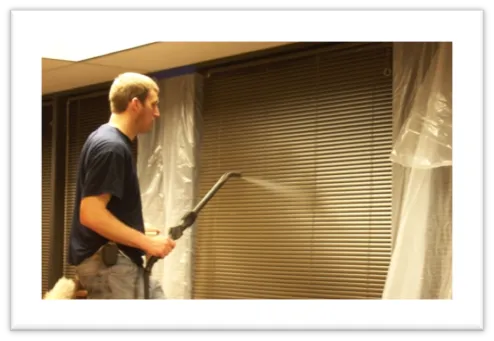
Blinds are one of the most neglected items in most Melbourne homes - and yet dirty blinds have a real impact on both the appearance of your rooms and the quality of your indoor air. Dust, pet hair, skin cells, cooking vapours, and outdoor pollutants all accumulate on blind surfaces over time, and in Melbourne’s pollen-heavy spring and dusty summer conditions, that accumulation can happen quickly.
The good news is that regular blind cleaning is manageable when you understand the right method for your blind type. Here is a practical guide to cleaning blinds effectively - and knowing when a professional service delivers better results.
Why Blind Cleaning Matters
Left uncleaned, blinds become a significant source of indoor dust and allergens. Every time you open or close your blinds, accumulated dust is redistributed into the room’s air. For household members with allergies, asthma, or other respiratory sensitivities, this can have a real impact on daily comfort.
Dirty blinds also affect the appearance of your home significantly. Clean, bright blinds frame windows attractively and allow light to filter through without the yellowish or grey tint that heavy soiling creates. In rooms that are otherwise well-presented, dirty blinds stand out immediately.
Choosing the Right Cleaning Approach for Your Blind Type
The most important principle in blind cleaning is matching the method to the material. Using the wrong approach can damage the material, cause warping, or spread grime rather than removing it.
Timber and Faux Timber Blinds
Timber blinds require careful handling because genuine wood is susceptible to warping and cracking if exposed to excessive moisture. Faux timber blinds are more moisture-resistant but still benefit from a low-moisture approach.
For routine cleaning:
- Close the blinds fully so the slats face you and dust them using a soft, dry microfibre cloth or a blind duster tool - working from top to bottom
- Reverse the blind direction and repeat on the other side
- Vacuum any fallen dust using a soft brush attachment
For deeper cleaning:
- Lightly dampen a microfibre cloth with clean water or a very mild detergent solution
- Wipe each slat individually rather than saturating the surface
- Immediately follow with a dry cloth to remove residual moisture
- Do not submerge timber blinds in water or use a steam cleaner on genuine timber
Venetian (Aluminium) Blinds
Aluminium Venetian blinds are highly durable and can withstand more moisture than timber, making them easier to clean thoroughly.
For routine cleaning:
- Close and dust with a dry microfibre cloth, working top to bottom
- Use a dedicated mini blind duster that cleans multiple slats simultaneously
- Vacuum after dusting to capture dislodged particles
For deep cleaning:
- Remove the blinds from the window
- Take them to an outdoor area or the bathtub
- Soak or spray with a mild cleaning solution and wipe each slat with a cloth
- Rinse with clean water
- Hang to dry fully before rehanging - do not rehang while wet as water can pool in the mechanism
Roller, Roman, and Fabric Blinds
Fabric blinds are the most challenging to clean because most cannot be safely submerged or machine-washed without distorting their shape or damaging the fabric treatment.
For routine cleaning:
- Vacuum gently using the upholstery attachment on a low suction setting
- Spot clean marks with a small amount of mild fabric cleaner applied to a clean cloth - always test in an inconspicuous area first
For heavier soiling:
- Professional steam cleaning is generally the most effective and safest option for fabric blinds, as it removes embedded dust and allergens without saturating the fabric or risking shape distortion
Building a Blind Cleaning Routine
The most effective way to maintain clean blinds is to clean them regularly before heavy soiling accumulates. A consistent routine takes far less time and effort than tackling blinds that have not been cleaned for months.
- Weekly: Include blinds in your regular dusting routine - a quick pass with a microfibre cloth or blind duster takes only a few minutes per room
- Monthly: Do a more thorough clean with a slightly damp cloth for each slat
- Annually: Consider a professional clean or deep clean by removing and washing appropriate blind types
For Melbourne homes, the periods of high pollen (spring) and dust (summer dry spells) are the times to be most attentive to blind cleaning, as accumulation is fastest during these seasons.
When to Call a Professional Blind Cleaning Service
Some blind cleaning situations are better handled by professionals. Consider professional cleaning when:
- Your fabric or roller blinds have significant soiling, odours, or staining that spot cleaning cannot address
- You have a large number of blinds across multiple rooms and insufficient time to clean them properly
- You are preparing a property for sale or lease and want a thorough presentation clean
- Your blinds are part of a broader spring clean that includes window cleaning, upholstery cleaning, or general cleaning services
Professional cleaning services can tackle fabric blinds with steam equipment that removes embedded dust and odours far more effectively than domestic cleaning methods.
FAQ
Q: How do I remove yellow staining from older blinds?
A: Yellowing on blinds is usually caused by a combination of UV exposure, cooking grease vapours, and accumulated dust that has bonded to the surface. For aluminium or PVC Venetian blinds, soaking in warm water with a mild cleaning solution often improves yellowing. For fabric blinds, professional cleaning may achieve partial improvement, but deep UV-induced yellowing may not be fully reversible. In this case, replacement may ultimately be the most practical solution.
Q: Is it safe to use a steam cleaner on blinds?
A: Steam cleaning is generally safe for fabric and aluminium blinds but should never be used on genuine timber blinds. For fabric blinds, steam cleaning at appropriate temperatures and distances can effectively loosen dust and kill dust mites without saturating the material. Always test a small area first and ensure the fabric can tolerate heat before proceeding.
Q: How often should I replace my blinds?
A: With proper care and regular cleaning, quality blinds should last 7-10 years or longer. Signs that replacement may be appropriate include structural damage such as broken slats or a failed mechanism, irreversible deep staining or yellowing, or warping that prevents the blinds from hanging correctly. Regular cleaning significantly extends the useful life of any blind type.
Clean blinds make a genuine difference to how your Melbourne home looks and feels - and keeping them clean is more manageable than most people realise when you have the right approach for your blind type.
For professional blind cleaning or comprehensive home cleaning services across Melbourne, contact Total Cleaning Melbourne today.
IICRC-certified cleaning professionals serving all Melbourne suburbs since 2014.