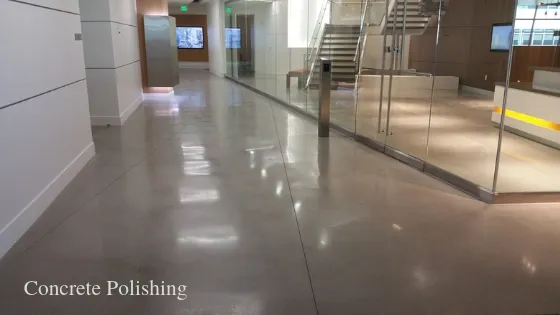
Walk into any stylish Melbourne home, boutique retail space, or modern commercial office these days and you’re increasingly likely to find the same statement flooring underfoot: polished concrete. Sleek, luminous, and practically maintenance-free compared to carpet or timber, mechanically polished concrete floors have surged from an industrial aesthetic into one of the most sought-after flooring choices across Melbourne’s residential and commercial markets. The reasons go far beyond good looks.
What Are Mechanically Polished Concrete Floors?
Mechanically polished concrete floors are produced through a multi-step grinding and polishing process that uses industrial diamond tooling to progressively refine the concrete surface to a high-gloss finish. Unlike surface coatings - which sit on top of the concrete and can peel, scratch, or yellow over time - mechanical polishing densifies and hardens the concrete itself, creating a surface that is integral to the slab rather than a layer applied over it.
The process typically begins with coarse-grit diamond tools that remove any existing coatings, level imperfections, and open the surface. Progressively finer grits refine the surface through multiple passes until the desired level of sheen is achieved - from a low satin finish to a highly reflective, mirror-like gloss. A chemical hardener or densifier is often applied during the process to strengthen the concrete and enhance its reflectivity.
This is not a DIY project. Achieving consistent, professional results requires industrial polishing equipment, technical skill, and experience working with different concrete compositions - factors that make professional concrete polishing and cleaning in Melbourne essential for any serious installation.
Why Polished Concrete Is Surging in Melbourne
The growing popularity of mechanically polished concrete floors in Melbourne reflects a convergence of design trends, sustainability values, and practical lifestyle demands.
Design appeal. The natural variation in concrete - aggregate patterns, subtle colour tones, the occasional crack repaired with metallic fillers - creates floors that are genuinely unique. No two polished concrete floors look identical, which appeals strongly to homeowners and designers seeking interiors that stand out. The high-gloss finish reflects light beautifully, making spaces appear larger and brighter - a significant benefit in Melbourne’s apartment and inner-city terrace market.
Low ongoing maintenance. Polished concrete requires none of the periodic refinishing, re-sealing, or replacement that other floor types demand. A regular dust mop and occasional damp mop with a pH-neutral cleaner keeps polished concrete looking its best indefinitely. It does not harbour dust mites, does not absorb spills the way carpet does, and resists scratching far better than timber or vinyl.
Durability. Mechanically polished concrete floors are extremely hard-wearing. In high-traffic commercial environments - retail stores, cafes, warehouses, open-plan offices - polished concrete outlasts virtually every other flooring option. Industrial and commercial warehouses were among the first to adopt polished concrete on a large scale precisely because of this durability.
Suitability for all environments. From industrial warehouses and commercial spaces to domestic loft apartments and suburban family homes, polished concrete works in virtually any setting. Its clean lines suit contemporary architecture, but it can also complement heritage and industrial renovation projects.
The Environmental Case for Polished Concrete
One of the most compelling arguments for mechanically polished concrete floors is their environmental profile. At a time when sustainable building and renovation choices are increasingly important to Melbourne homeowners and developers, polished concrete makes a strong case.
Traditional flooring materials - carpet, vinyl laminate, and engineered timber - involve significant manufacturing, transportation, and installation impacts. They typically need replacement every 10 to 20 years and often release volatile organic compounds (VOCs) from adhesives, backing materials, and surface coatings. At end of life, they generate substantial landfill waste.
Mechanically polished concrete, by contrast, uses the existing slab - an asset that is already present in most new and many existing buildings. No new raw materials need to be manufactured, transported, or installed. The polishing process uses water and diamond tooling, avoiding the caustic chemicals required by many other flooring treatments. Polished concrete also does not require the harsh cleaning chemicals that carpet and vinyl demand, further reducing its ongoing chemical footprint.
Polished concrete is also recognised within green building rating systems including Green Star for its contribution to sustainable floor covering outcomes. The LEED framework similarly acknowledges the use of mechanically polished concrete as a pathway to achieving sustainability credits.
Maintaining Polished Concrete Floors
While polished concrete is low-maintenance compared to other flooring types, it is not entirely maintenance-free. Fine grit and sand particles tracked in on footwear can, over time, micro-scratch the polished surface and dull its reflectivity. Regular dust mopping removes these abrasive particles before they cause damage.
For periodic deeper cleaning, a professional concrete floor cleaning and buffing service restores lustre and addresses any surface wear. Total Cleaning Melbourne provides concrete floor care as part of a comprehensive hard floor cleaning service, using appropriate pH-neutral products and professional equipment to keep polished surfaces looking their best.
It is important to note that standard household cleaning products - particularly alkaline or acidic cleaners - can damage the surface of polished concrete over time. Always use products specifically formulated for polished concrete, and consult a professional if you notice dulling, scratching, or staining that routine cleaning cannot resolve.
Choosing Professional Polishing Services in Melbourne
Not all polishing contractors deliver equal results. The quality of mechanically polished concrete depends heavily on the equipment used, the skill of the operator, and the number of polishing passes applied. Cutting corners - using too few grit stages or applying a surface coating instead of true mechanical polishing - produces results that look adequate initially but deteriorate quickly under normal use.
When choosing a professional polishing service in Melbourne, look for experience with the specific type of concrete in your project, a clear multi-stage polishing process, and the use of densifiers and hardeners appropriate to your slab. Ask for examples of previous work and check references.
For ongoing maintenance and professional cleaning of existing polished concrete floors, Total Cleaning Melbourne’s professional floor care services provide experienced, equipment-backed care that preserves your investment.
FAQ: Polished Concrete Floors in Melbourne
How long do mechanically polished concrete floors last? When properly installed and maintained, mechanically polished concrete floors can last the lifetime of the building. Unlike coated or overlay systems, the polished surface is integral to the slab and does not peel, delaminate, or require periodic replacement.
Are polished concrete floors slippery? A common concern, but largely unfounded for most applications. A high-gloss polished concrete floor can be slightly more slippery when wet than a rougher surface, but there are multiple ways to address this - including micro-grip treatments and anti-slip aggregate additives - that maintain the aesthetic while meeting slip-resistance standards.
Can polished concrete be installed over underfloor heating? Yes, and it is actually an excellent combination. Concrete is a highly efficient conductor of radiant heat, and polished concrete floors work particularly well with in-slab or under-slab hydronic heating systems - a popular choice in Melbourne’s cooler months.
What cleaning products should I use on polished concrete? Always use pH-neutral, non-alkaline cleaners formulated for polished concrete. Avoid vinegar, bleach, ammonia, or any strongly acidic or alkaline product. A light damp mop with the correct cleaner is all that is needed for routine maintenance.
IICRC-certified cleaning professionals serving all Melbourne suburbs since 2014.