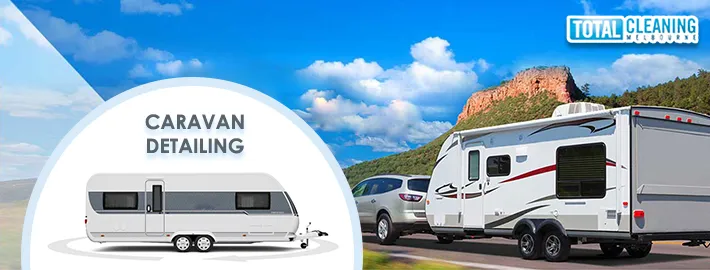
A caravan is one of the most versatile and rewarding investments a Melbourne family can make - the ability to travel at your own pace, stay where you choose, and share the experience with the people who matter most. But the same conditions that make caravanning adventurous - dusty roads, coastal salt air, roadside mud, tree sap, and insects - also take a toll on the exterior of your van. Regular cleaning and maintenance of your caravan’s exterior is not just about appearance; it protects the paintwork, seals, and surfaces from the cumulative damage that neglect causes over time.
Total Cleaning Melbourne provides professional caravan detailing services across Melbourne, but there is plenty you can do yourself between professional visits. Here is a step-by-step guide to cleaning your caravan’s exterior properly.
Preparation: Setting Up for a Successful Clean
Before you begin washing, spend a few minutes on preparation. Check that you have enough space to walk completely around the van - you need access to all four sides, the roof, and the underside of the body.
Position the caravan on a slight angle if possible so water runs off the roof naturally as you clean. Wind down the stabiliser legs slowly and ensure the van is stable before you begin working around it.
For the roof and upper sections, use a stepladder positioned on stable, level ground. Never stand on the roof of a caravan - most are not designed to support body weight and can be easily damaged. Work methodically from the roof downwards, so clean rinse water flows over areas you have not yet cleaned rather than back over areas you have finished.
The Cleaning Process: Wash, Polish, and Wax
Initial Rinse
Begin by rinsing the entire exterior thoroughly with a garden hose, starting from the roof and working downwards. This removes the loose dirt, grit, leaves, and road debris that would otherwise scratch the surface during the wash process. Do not use a pressure washer on caravan exteriors - the high pressure can damage window seals, force water into joins and vents, and strip protective coatings.
Washing the Body
Apply a specialist caravan or motorhome wash solution using a soft sponge or caravan-specific wash mitt. Work in sections - wash a panel, rinse it off, move to the next. This prevents the wash solution from drying on the surface in the sun, which can leave mineral deposits and streaks.
The roof deserves particular attention - it accumulates the greatest volume of touring debris, road dust, bird droppings, mould, and algae, particularly on north-facing and shaded sections. Use a soft brush with a long handle for the roof to avoid the need to lean awkwardly from the stepladder.
Polishing for Protection
Once clean, inspect the exterior surfaces for oxidation, dull patches, and minor scratches. Exposure to UV radiation and weather over time breaks down the protective clear coat on caravan bodies, leaving the surface looking dull. A quality caravan polish restores gloss and removes surface oxidation - apply it to one section at a time, allow the dwell time specified by the product, then buff off with a clean microfibre cloth.
For textured trim and rubber seals, use a dedicated liquid rubber and plastic care product rather than standard polish - this conditions the material and prevents drying and cracking.
Waxing for Long-Term Protection
After polishing, apply a quality caravan wax or sealant. Wax creates a protective barrier on the exterior surface that repels water, reduces the adhesion of road grime, and slows the rate of UV degradation. Apply in parallel strokes, allow the product to cure according to instructions (typically 20 to 30 minutes), then buff to a shine with a clean cloth.
To test whether a section is adequately waxed, apply a small amount of water - if it beads up and rolls off, the wax is working correctly. Sections where water spreads rather than beads need another coat.
Skylights and Windows
Caravan windows and skylights are typically made from polycarbonate or acrylic plastic rather than glass, which makes them more vulnerable to scratching and chemical damage than standard windows. Always use a cleaner specifically formulated for plastic windows, and apply it with a soft microfibre cloth - never an abrasive sponge or paper towel.
If fine scratches are present on the windows, use a plastic scratch remover product to treat them before cleaning. Attempting to clean deeply scratched plastic simply highlights the scratches further.
The same approach applies to skylights, which are almost always the same polycarbonate material. Do not use glass cleaner on plastic windows - the chemicals in glass cleaners can cloud and permanently damage polycarbonate surfaces.
When to Engage Professional Caravan Detailers
If your caravan has not been professionally detailed in the past 12 to 24 months, or if the exterior has significant oxidation, stubborn staining, or sun damage beyond what DIY polishing can address, professional caravan detailing from Total Cleaning Melbourne delivers a level of restoration that is very difficult to achieve with consumer-grade products.
Professional detailing covers not just the exterior wash and polish but also interior cleaning, upholstery treatment, and protection of all exterior surfaces against future environmental damage.
Frequently Asked Questions
Q: How often should I clean my caravan’s exterior?
For caravans in regular use, a full exterior wash after each trip and a thorough wash and wax at least twice per year - at the beginning and end of the touring season - is a sensible maintenance schedule. Caravans stored between tours benefit from a clean before storage to remove contamination that can damage surfaces during extended inactivity.
Q: Can I use a pressure washer on my caravan?
It is generally not recommended. The high pressure from a standard domestic pressure washer can damage window seals, force water into joins and vents, strip decals, and damage polycarbonate surfaces. A garden hose with good flow is the safest approach for caravan exterior cleaning. If you need to remove stubborn road grime, allow the wash solution to dwell and work chemically rather than increasing water pressure.
Q: How do I remove mould from the roof of my caravan?
Mould on caravan roofs - particularly in shaded areas - is a common Melbourne problem. Apply a specialist caravan mould and mildew remover to the affected area, following the product instructions for dwell time, then scrub with a soft brush and rinse thoroughly. For significant mould growth or contamination that has penetrated the surface, professional detailing treatment delivers more thorough results.
Keep Your Caravan in Top Condition
A well-maintained caravan retains its value, protects its occupants, and is a pleasure to use for many years. Regular exterior cleaning combined with periodic professional detailing is the best way to achieve this. Total Cleaning Melbourne’s caravan detailing service is available across Melbourne to handle the heavy work and deliver a showroom-quality finish.
Contact Total Cleaning Melbourne today to book your caravan detailing service and keep your van in peak condition for your next adventure.
IICRC-certified cleaning professionals serving all Melbourne suburbs since 2014.