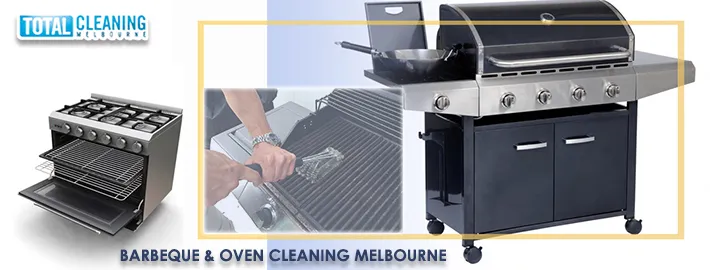
A clean kitchen is the foundation of a clean home - and at the centre of kitchen hygiene is the oven. Melbourne households use their ovens and barbeques extensively, from weeknight dinners to weekend entertaining. But with heavy use comes heavy residue: baked-on grease, carbonised food, smoke stains, and the stubborn deposits that accumulate with every roast, bake, and grill session.
The question is not whether oven and BBQ cleaning helps keep your home clean - it absolutely does. The real question is how to clean them effectively and when professional help delivers better results than DIY.
The Health and Safety Case for Regular Oven Cleaning
A dirty oven is more than an aesthetic issue - it presents genuine health and fire safety concerns that many Melbourne households underestimate.
Smoke and airborne particles. Carbonised grease and food residue inside an oven burn during every subsequent use, producing smoke that contains fine particles. These particles circulate through the kitchen and into adjoining rooms, affecting indoor air quality. For households with members who have respiratory conditions or allergies, a consistently smoky oven is a real concern.
Bacterial contamination. Grease deposits and food residue create an environment where bacteria can thrive, particularly in areas of the oven that do not reach sterilising temperatures during cooking - such as the door seal area, the outer edges of the cavity, and the space between the oven door glass panels.
Fire risk. Heavy grease accumulation inside an oven or barbeque is a fire hazard. Grease that has built up over months of cooking can ignite when the oven reaches high temperatures, particularly during grilling or self-cleaning cycles. Oven fires in Australian households are more common than many people realise, and accumulated grease is a leading cause.
Regular professional cleaning eliminates these risks by removing the build-up before it reaches dangerous or unhygienic levels.
The Barbeque: More Than Just a Cooking Surface
In Melbourne, the outdoor barbeque is a social institution. BBQs are used for everything from casual weeknight dinners to large gatherings with family and friends. But barbeques are among the most challenging appliances to keep clean - grease drips onto burners, carbonised food accumulates on grills and hotplates, and the residue from hundreds of cooking sessions builds up over time.
Left unaddressed, this build-up has real consequences. Grease accumulated on burners affects heat distribution and creates the risk of dangerous flare-ups. Old residue on cooking surfaces imparts unwanted flavours to food and can harbour bacteria that contaminate fresh ingredients. A professional oven and BBQ cleaning service addresses all of this in a single visit, restoring the barbeque to a safe, functional, and hygienically clean condition.
Why Self-Cleaning Oven Functions Fall Short
Many modern ovens include a pyrolytic self-cleaning function that heats the oven to extremely high temperatures - typically around 500 degrees Celsius - to burn off residue and reduce it to ash. While convenient, this function has significant limitations that Melbourne homeowners should understand.
It does not clean everything. The self-clean cycle addresses the oven cavity walls and floor, but it does not clean the oven racks, the door seal area, the door glass (particularly between panels), the stovetop, or the range hood. These areas still require manual cleaning.
It can damage oven components. The extreme temperatures involved in pyrolytic cleaning can damage door seals, electronic control panels, and temperature sensors over time. Some oven manufacturers recommend limiting self-clean cycles to a few times per year for this reason.
It produces strong odours and fumes. During a self-cleaning cycle, the burning residue produces significant smoke and fumes that require thorough kitchen ventilation. For households with sensitive occupants, this is a genuine concern.
It does not replace professional cleaning. Even ovens with self-cleaning functions benefit from periodic professional cleaning that addresses the components the pyrolytic cycle cannot reach and removes build-up that has carbonised beyond what the self-clean cycle can fully eliminate.
Professional vs DIY Oven Cleaning
Melbourne homeowners often debate whether professional oven cleaning is worth the cost compared to doing it themselves. Here is an honest comparison.
DIY advantages: Lower cost per clean, can be done on your own schedule, suitable for lightly soiled ovens that are maintained regularly between professional cleans.
DIY limitations: Commercial oven cleaners are caustic, produce strong fumes, and require careful handling. They are effective on light to moderate soiling but struggle with heavy carbonised deposits. The process is time-consuming - a thorough DIY oven clean takes two to three hours and involves significant scrubbing. Results are often inconsistent, with residue remaining in hard-to-reach areas.
Professional advantages: Professional technicians use industry-approved products that are more effective than consumer-grade cleaners while being safer for household surfaces and appliance seals. They disassemble components - removing racks, door glass panels, and burner covers - to clean areas that are inaccessible during a DIY clean. A professional oven clean typically takes 60 to 90 minutes and delivers a significantly more thorough result.
For most Melbourne households, a combination works best: regular light maintenance after each use, with professional cleaning once or twice per year to address the deep build-up that accumulates regardless of routine care.
Oven Cleaning and Home Hygiene
Oven cleaning is closely connected to overall kitchen hygiene. When food particles and grease build up inside an oven, they do not simply sit there - they burn during every subsequent use, generating smoke, unpleasant odours, and potentially harmful airborne particles that circulate throughout the kitchen and the rest of the home.
An oven that smokes during use is a sign that it needs cleaning. A persistent burnt smell when the oven is in use is another clear indicator. Both point to a build-up that has become significant enough to affect the cooking environment - and the air quality in your kitchen.
Regular professional oven cleaning - typically once or twice per year for a household that cooks frequently - prevents this build-up from reaching problematic levels and ensures your oven operates as designed: efficiently, safely, and without smoke or odour.
What Professional Cleaning Methods Are Used for Ovens?
One of the concerns many Melbourne homeowners have about oven cleaning is the use of caustic chemical cleaners, which produce strong fumes and require careful handling. Professional oven cleaning services increasingly use industry-approved, non-caustic cleaning solutions that are highly effective at breaking down grease and carbonised residue without the hazards of traditional chemical approaches.
Total Cleaning Melbourne’s technicians use industry-approved cleaning solutions that are safe for kitchen surfaces, appliance seals, and the environment. These products work through chemistry and technique rather than sheer chemical aggression - delivering excellent results while protecting your appliances and your household.
How Does Regular Cleaning Maintain Oven and BBQ Performance?
One of the most compelling practical reasons for regular oven and barbeque cleaning is performance maintenance. A clean oven heats more evenly and accurately, consumes less energy to reach target temperatures, and produces better cooking results. A clean barbeque delivers consistent heat distribution, prevents flare-ups, and extends the life of burners and cooking surfaces.
The cost of a professional clean is a fraction of the cost of replacing a neglected appliance prematurely. By maintaining your oven and BBQ through regular professional cleaning, you protect the investment these appliances represent and ensure they continue to perform well for years.
How Often Should You Have Your Oven Cleaned?
The recommended frequency depends on how heavily the oven is used:
- Light use (1-2 times per week): Professional clean once per year
- Regular use (3-5 times per week): Professional clean every six months
- Heavy use (daily cooking, high-fat roasting, frequent baking): Professional clean every three to four months
Between professional cleans, simple maintenance habits significantly reduce build-up: wipe spills as soon as the oven cools, use an oven liner or foil on the base to catch drips, and clean oven racks in the sink monthly.
Combining Oven Cleaning with a Full Kitchen Clean
Oven cleaning is most effective as part of a broader kitchen hygiene programme. At Total Cleaning Melbourne, our oven and BBQ cleaning service covers the oven cavity, stovetop, splashback, and rangehood - addressing all the cooking surfaces and extraction equipment that accumulate grease and residue together.
For a thorough kitchen refresh, this service can be combined with our tile and grout cleaning for kitchen floors and splashback tiles, or with a one-off general cleaning service for a comprehensive whole-kitchen treatment.
Frequently Asked Questions
Q: Can I use commercial oven cleaners myself instead of hiring a professional?
Commercial oven cleaners are available and can be effective for lightly soiled ovens - but they require careful handling due to their caustic nature. They produce strong fumes that require good ventilation, and they can damage certain oven finishes if applied incorrectly. For heavily soiled ovens or those with specialised surfaces, professional cleaning is safer and more thorough. A professional clean also typically achieves a better result in less time than a DIY approach.
Q: How often should I have my oven professionally cleaned?
For a household that cooks regularly, a professional oven clean once or twice per year is a sensible maintenance schedule. Households that do a lot of high-fat cooking - roasting, frying, baking with butter - may benefit from more frequent cleaning to prevent build-up from reaching a heavy level. Between professional cleans, wiping down the oven after each use and lining the oven base with foil to catch drips reduces the rate of accumulation significantly.
Q: Does a clean oven actually improve food quality?
Yes. Burnt residue inside an oven imparts unpleasant flavours and smoke to food cooked within it. A clean oven heats more evenly, produces less smoke, and allows food to cook without contamination from old residue. For baking in particular - where flavour and even heat distribution are critical - a clean oven makes a noticeable difference to outcomes.
Q: Is the self-cleaning function on my oven enough to keep it clean?
The pyrolytic self-cleaning function is a useful maintenance tool but does not replace thorough cleaning. It only addresses the oven cavity and does not clean racks, door glass panels, seals, the stovetop, or the range hood. For a complete clean that covers every component, professional oven cleaning is the most effective approach.
Q: Can a dirty oven cause a house fire?
Heavy grease accumulation inside an oven is a genuine fire risk. When grease deposits reach a critical level and the oven reaches high temperatures - particularly during grilling - the grease can ignite. Regular professional cleaning removes this build-up and significantly reduces the risk. If your oven produces heavy smoke during normal use, it should be cleaned promptly.
Keep Your Kitchen Genuinely Clean
True kitchen hygiene starts with the appliances at the heart of your cooking - the oven and the barbeque. By maintaining these appliances through regular professional cleaning, you create a safer, more hygienic, and more pleasant cooking environment for your Melbourne household.
Contact Total Cleaning Melbourne today to book your oven and BBQ cleaning service and experience the difference a professionally cleaned kitchen makes.
Need professional cleaning help?
Our IICRC-certified team services all Melbourne suburbs. Get a free, no-obligation quote today.
IICRC-certified cleaning professionals serving all Melbourne suburbs since 2014.