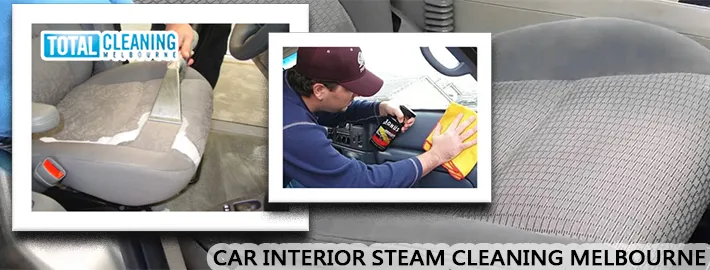
Steam cleaning has become the preferred method for professional car interior cleaning in Melbourne - and for good reason. Unlike chemical-based cleaning products that can leave residues, create fumes, or damage sensitive surfaces, steam uses nothing but water heated to high temperature. The result is a thorough, safe clean that reaches every surface of your vehicle’s interior, eliminating bacteria, odours, and stains without compromise.
This guide explains why car interior steam cleaning Melbourne is considered best practice, how the process works, and the specific benefits it delivers for every type of vehicle surface.
How Steam Cleaning Works in Car Interiors
Steam cleaning uses water heated to extremely high temperatures - typically between 100 and 180 degrees Celsius - which converts to pressurised vapour. When directed at a surface, this vapour penetrates the material, loosens embedded soil and stains, kills bacteria and dust mites on contact, and deactivates the organic compounds that cause odours.
The key advantage over water and chemical cleaning is that steam uses very little moisture relative to the cleaning power it delivers. Unlike wet cleaning methods that can saturate fabrics and leave them damp for hours, steam is absorbed quickly and evaporates rapidly - leaving surfaces clean and nearly dry within a short time.
Step-by-Step: Professional Car Interior Steam Cleaning
A professional steam clean of a car interior follows a logical sequence that ensures thorough coverage without missing any area.
Step 1: Choose and prepare the steam cleaner
Professional equipment is significantly more powerful than consumer steam cleaners. The machine is filled with distilled or treated water and brought to the correct operating temperature. The appropriate nozzle or attachment is selected for each surface type - a wide nozzle for large flat surfaces, a narrow nozzle for vents and crevices.
Step 2: Pre-clean to loosen heavy soil
For heavily soiled areas, a pre-treatment with a gentle cleaning agent loosens dried debris and makes the steam cleaning more effective. This is particularly useful for floor carpets and seat fabric with dried-in stains or accumulated soil.
Step 3: Steam each surface systematically
Working through the vehicle systematically - from the dashboard and instrument cluster to the steering wheel, door panels, seats, floor carpets, and boot - ensures nothing is missed. Particular attention is paid to:
- Air conditioning vents (which harbour bacteria and mould)
- Cup holders and door pockets
- Seat seams and the gaps around buttons and controls
- Floor carpets and under-seat areas
During steaming, a clean microfibre cloth is used to wipe surfaces as the steam lifts contamination, collecting the dislodged material before it can re-deposit elsewhere.
Step 4: Address the fabric and carpet
Fabric seats and floor carpets are steamed using a lower pressure setting with a triangular microfibre attachment. The steam penetrates deep into the fibres to kill bacteria, deactivate allergens, and break down organic compounds causing odours. Care is taken not to oversaturate - the goal is deep penetration, not soaking.
Step 5: Clean windows and glass surfaces
Windows are steamed and wiped clean, removing the oily film that accumulates on interior glass over time and leaving a clear, streak-free finish.
The Benefits of Steam Cleaning for Car Interiors
Removes Smoking and Pet Odours
Among the most valued applications of car interior steam cleaning is odour removal. Cigarette or vaping smoke permeates every surface inside a vehicle, bonding to fabrics, plastics, and even the headliner. Standard cleaning masks this smell temporarily; steam cleaning addresses it at a molecular level by denaturing the odour compounds and removing the contamination they are attached to.
Pet odours - including urine, dander, and the general smell of wet or active animals - are similarly addressed. Steam combined with enzymatic treatment for urine spots provides the most thorough outcome.
Maintains Fabric Quality
One of the concerns with car upholstery cleaning is that aggressive chemical treatments or harsh brushing can damage fabric weave, cause pilling, or alter colour. Steam is fundamentally gentle - the heat does the work rather than mechanical abrasion. This preserves the integrity of fabric fibres while achieving a deep clean.
Reaches Every Area
The ability of steam to reach the areas that other cleaning methods miss is one of its most significant practical advantages. The thin nozzle and pressurised vapour penetrate:
- Air conditioning vents and ducts
- Ashtrays and cup holders
- The gaps around seat bolts and adjustment mechanisms
- Seat back pockets
- Dashboard vents and gaps around the instrument cluster
These are among the dirtiest areas in any car interior - and they are typically inaccessible to conventional cleaning tools.
Safe and Residue-Free for Families
The absence of chemical products in steam cleaning makes it the safest possible option for families with children, allergy sufferers, or pets that travel in the vehicle. There are no residues on the seating surfaces children will contact, no chemical fumes in an enclosed space, and no risk of reactions to cleaning agents.
This is also environmentally responsible - steam cleaning produces no chemical waste and requires only water.
Disinfects and Kills Bacteria
High-temperature steam kills the vast majority of bacteria, viruses, and mould spores on contact. For Melbourne drivers who are health-conscious - or who are immunocompromised, or who carry young children or elderly passengers - this sanitisation benefit is genuinely significant.
FAQ
Q: Is steam cleaning suitable for leather car seats?
Steam can be used on genuine and synthetic leather car seats, but care is required. The steam should be applied briefly at a lower pressure setting, and the leather must be conditioned afterwards to restore the natural oils that heat can partially deplete. For premium or antique leather, professional assessment before treatment is recommended.
Q: How often should car interior steam cleaning be carried out?
For most Melbourne drivers, twice-yearly steam cleaning maintains a high standard of hygiene and appearance. Drivers who regularly carry pets, children, or food, or who eat in the car regularly, benefit from quarterly cleaning.
Q: How long does car interior steam cleaning take?
A standard passenger vehicle takes approximately one to two hours for a professional interior steam clean. Larger vehicles or those with significant soiling may take longer. The interior is ready for use within 30 to 60 minutes of completion.
Book a Professional Car Interior Steam Clean in Melbourne
Total Cleaning Melbourne’s car interior steam cleaning service delivers exceptional results for every type of vehicle, using professional-grade equipment and an experienced team. We serve clients across Melbourne and can often accommodate short-notice bookings.
Contact us today to arrange your car interior steam clean.
IICRC-certified cleaning professionals serving all Melbourne suburbs since 2014.