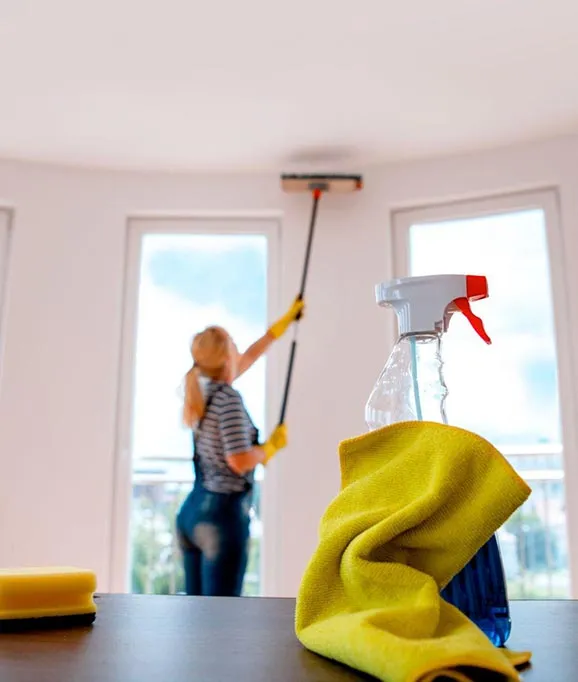
Wall and ceiling cleaning is one of those tasks that most Melbourne homeowners postpone indefinitely - yet the difference between a room with freshly cleaned walls and one with years of accumulated grime is immediately visible. Professionals approach wall and ceiling cleaning with a systematic, methodical process that delivers results most DIY efforts cannot match. If you are ready to book, Total Cleaning Melbourne offers a dedicated wall and ceiling cleaning service in Melbourne performed by IICRC-certified, fully insured, and police-checked technicians. Understanding how they do it can help you manage routine maintenance yourself and recognise when the job needs a specialist.
Why Wall Cleaning Matters
Walls and ceilings accumulate dust, fingerprints, grease, cooking residue, pet dander, mould spores, and staining over time. Regular maintenance prevents this build-up from becoming permanent and extends the life of paint and wallpaper considerably.
Beyond appearance, wall cleaning contributes to indoor air quality. Dust and mould that settle on walls and ceilings are gradually released into the air, contributing to respiratory irritation and allergic reactions. In Melbourne homes where seasonal humidity can promote mould growth, regular wall cleaning is particularly important.
Wall cleaning is also part of a thorough general cleaning service - and it should be completed before any fresh coat of paint is applied, as paint adheres poorly to greasy or contaminated surfaces.
Step One: Assessing the Surface Before Cleaning
Before any cleaning begins, professionals assess the surface type and condition. Different wall and ceiling finishes require different approaches:
- Painted walls (flat, satin, or gloss) - Most cleanable, but flat paint finishes are more delicate and can be damaged by excessive moisture or scrubbing. Gloss finishes are more robust.
- Wallpaper - Some materials and patterns are susceptible to moisture damage. Over-wetting can cause peeling, lifting, or colour bleeding.
- Plaster or plasterboard - Can be damaged if saturated. Requires careful moisture control throughout the cleaning process.
- Textured ceilings - Need lighter touch and less moisture to avoid dislodging the texture.
A test patch in an inconspicuous area is often performed first to confirm that the chosen cleaning solution will not cause discolouration or surface damage before proceeding with the full wall or ceiling area.
Professional Tools and Cleaning Solutions
Professionals arrive with a toolkit designed for the specific conditions of wall and ceiling cleaning:
- Soft, non-abrasive microfibre cloths and mops
- Extension poles to reach ceilings and high walls without ladders
- Sponges of varying porosity for different surface types
- Mild detergents and purpose-formulated wall cleaners
- Degreasers for kitchen walls and heavily soiled areas
- Targeted stain removers for specific marks (crayon, ink, scuffs)
- Buckets, rinsing cloths, and drying towels
- Protective gloves and eyewear
Cleaning solutions are chosen based on the specific surface. A gentle mix of warm water and mild detergent works well for most painted walls, while greasy kitchen walls require a purpose-made degreaser. Wallpaper demands minimal moisture and careful blotting rather than wiping.
The Professional Wall Cleaning Process
Stage 1: Dry Cleaning and Dusting
The process always begins with dry cleaning to remove loose dust and debris before any moisture is introduced. Professionals use a microfibre duster on an extension pole to work from the top of the wall downward - ceiling crown moulding, the upper wall area, and down to the skirting board. This prevents previously disturbed dust from settling onto freshly cleaned lower surfaces.
Stage 2: Spot Treatment
Before general washing begins, professionals identify and pre-treat specific marks and stains. Grease spots near kitchen areas receive a degreaser application. Scuff marks, handprints, and crayon marks receive appropriate targeted treatments. Mould spots are treated with anti-mould solution. Allowing these pre-treatments to dwell for a few minutes before wiping produces significantly better results.
Stage 3: Washing
For painted walls, a mild cleaning solution and soft sponge or cloth is used. Professionals typically work from the bottom of the wall upward - counterintuitive but important, because cleaning solution that runs down over an unwashed surface creates marks that are harder to remove than the original dirt. The cloth is rinsed frequently to prevent redistributing soil back onto the wall.
Circular, gentle motions prevent streaking and reduce the risk of paint damage from concentrated pressure in one area.
Stage 4: Rinsing
After washing, a clean damp cloth is used to remove any soap residue from the surface. Soap residue left on walls attracts dust and can create a streaky appearance once dry.
Stage 5: Drying
Surfaces are dried promptly with a clean, dry microfibre cloth or towel. Thorough drying reduces the risk of water marks, moisture damage to plasterboard, and mould growth in corners or behind fittings.
Common Challenges and How Professionals Handle Them
Grease in kitchens - Kitchen walls near the cooktop accumulate cooking grease that ordinary detergents cannot cut effectively. Commercial degreasers formulated for painted surfaces dissolve grease without damaging the paint layer.
Ink and marker stains - Isopropyl alcohol applied carefully with a cotton swab can remove many ink marks without affecting the surrounding paint. Always test first in an inconspicuous area.
Crayon marks - A soft, non-gel toothpaste applied gently can help lift crayon from painted surfaces. A cleaning solution follows once the crayon is removed.
Water stains - Indicate a leak or persistent moisture problem. Cleaning will only temporarily address the appearance without fixing the source. Mould or mildew behind water stains is a health concern and should not be overlooked.
Mould on walls or ceilings - Requires an appropriate anti-mould cleaning solution and, for persistent mould, investigation of the underlying moisture source. If mould is present in your carpets as well, consider pairing wall cleaning with carpet steam cleaning for a comprehensive fresh start.
Safety Considerations
- Open windows and use fans to ventilate the room during and after cleaning to disperse cleaning solution fumes
- Test any cleaning product in a hidden area before applying it to the full surface
- Use low-VOC, professional-grade products wherever possible to minimise chemical exposure
- Wear gloves and eye protection when working with stronger degreasers or anti-mould treatments
Wall Cleaning Cost in Melbourne
The cost of professional wall cleaning in Melbourne depends on several factors: the total wall area, the number of rooms, the type of wall finish (painted, wallpaper, textured), the level of soiling, and whether any specialist stain treatment is required. Kitchens with heavy grease build-up and bathrooms with mould typically require more time and product than general living areas.
Rather than publishing fixed rates that may not reflect your specific situation, Total Cleaning Melbourne provides a clear quote based on an assessment of your property. Contact us on 1300 424 114 or through our contact page to arrange a quote for your wall and ceiling cleaning needs.
Should You Clean or Repaint Your Walls?
This is one of the most common questions Melbourne homeowners face when their walls look tired. The answer depends on the type and extent of the problem:
Professional cleaning is the right choice when walls are covered in dust, fingerprints, grease film, or light surface staining. In these cases, cleaning restores the wall to near-original condition at a fraction of the cost and disruption of repainting. Cleaning is also the appropriate first step before repainting, as paint adheres poorly to contaminated surfaces.
Repainting is necessary when the paint surface itself is degraded - peeling, flaking, fading, or permanently discoloured from chemical damage or very old stains that have penetrated into the paint layer. In these situations, no amount of cleaning will restore the appearance, and a fresh coat of paint is required.
In many cases, a professional wall clean eliminates the need for repainting entirely, saving Melbourne homeowners significant time and money. If you are unsure, our team can assess your walls and advise honestly on the best approach.
FAQ
Q: Can professional cleaning remove long-standing marks from walls without repainting?
In many cases, yes. Professional cleaners can remove a wide range of marks including fingerprints, scuffs, grease stains, and light crayon marks without affecting the underlying paint. For very old, deeply ingrained staining or areas where the paint surface has degraded, repainting may be the most effective solution.
Q: How often should walls be professionally cleaned?
For most Melbourne homes, an annual wall clean as part of a general deep cleaning service keeps surfaces in good condition. Kitchens benefit from more frequent attention - every six months - due to cooking grease accumulation. Properties undergoing rental changeovers or pre-sale preparation typically require a comprehensive wall clean.
Q: Is it better to hire a professional for wall cleaning or do it yourself?
Routine maintenance cleaning of walls can be managed by homeowners with the right products and care. However, for challenging stains, high walls and ceilings, delicate finishes like wallpaper, or properties that need a comprehensive whole-home clean, professional services deliver superior results with less risk of accidental damage.
Wall and ceiling cleaning is a practical investment in your home’s appearance, air quality, and long-term condition. Whether you need a targeted spot-clean or a whole-home deep clean in Melbourne, Total Cleaning Melbourne’s IICRC-certified team is equipped to deliver excellent results. Learn more about our dedicated wall and ceiling cleaning service in Melbourne or contact us today to discuss your requirements and book a service.
IICRC-certified cleaning professionals serving all Melbourne suburbs since 2014.