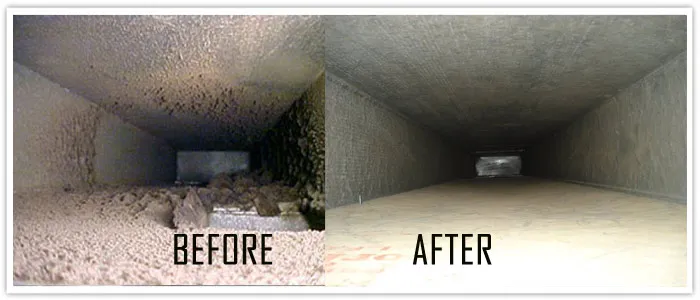
If you have noticed an unpleasant smell that seems to follow you from room to room in your Melbourne home - particularly when your heating or cooling switches on - your air ducts may be the culprit. Most people focus their cleaning attention on visible surfaces, but the hidden ductwork that runs through walls and ceilings can become one of the most significant sources of odour in a home. Understanding what causes these smells and why professional duct cleaning in Melbourne is the most effective solution can help you restore a genuinely fresh indoor environment.
Why Dirty Ducts Cause Odours Throughout Your Home
Filthy air ducts do not only trap bad smells - they actively spread those odours throughout your entire home whenever your heating or cooling system runs. The air handler draws air from return vents, passes it through the ductwork, and delivers it through supply vents in every room. Any contamination sitting inside those ducts gets carried along for the ride, distributed evenly throughout your living spaces.
This is why duct-related odours are particularly frustrating: they are not localised to one room. You can clean every surface in your kitchen, bathroom, and living areas and still notice the smell returning through the vents. Until the source inside the duct system is removed, the smell will keep coming back.
Bad odours inside ducts usually come from one of six common sources. Understanding which one is affecting your home helps the cleaning technician choose the most appropriate treatment approach.
1. Cigarette Smoke Odours
Cigarette smoke gets pulled into the duct system through return air vents and spreads through the whole home within minutes. Tar and nicotine leave a sticky coating on the inside of ducts that is extremely difficult to neutralise. This residue continues to off-gas for months or even years after smoking has stopped indoors.
Even if you clean your furniture, carpets, and walls thoroughly, the smoky smell will continue to return through the vents until a professional duct-cleaning and deodorising service physically removes the residue from inside the ductwork. Surface sprays and deodorisers applied to furniture and walls cannot address contamination inside the duct system.
For homes where smoking has occurred over extended periods, duct cleaning may need to be combined with carpet and upholstery cleaning to fully eliminate the embedded smoke smell. Professional carpet steam cleaning in Melbourne addresses the fabric surfaces while duct cleaning handles the distribution system.
2. Pet Odours Inside the Duct System
Pets are wonderful companions, but they contribute significantly to indoor air quality challenges. Pet dander, fur, and natural body odours all circulate through the duct system and accumulate on interior duct surfaces. If your pets ever had accidents near return air vents, the smell from dried urine can be drawn into the duct system and carried throughout the house each time the system runs.
Even with regular grooming and carpet cleaning, if your ducts are heavily contaminated with pet dander and odour compounds, you will continue to notice pet smells in rooms where the pets rarely go. This is a clear sign that the duct system needs professional attention.
Only a thorough duct clean removes these lingering smells from the distribution system. Combined with regular upholstery cleaning in Melbourne to address soft furnishings where pet odours concentrate, this provides comprehensive odour management for pet-owning households.
3. Germs and Bacteria Buildup
Ducts naturally collect dust and dirt over time. When moisture mixes with this debris - from condensation, humidity, or minor leaks - it creates the perfect environment for bacterial colonies to establish themselves on the interior duct surfaces.
These bacteria multiply and release unpleasant metabolic byproducts into the air. They also spread into your living space through the airflow, affecting the health of occupants, particularly those with respiratory sensitivities. The musty or stale smell that many Melbourne residents associate with their heating and cooling systems running is often caused by bacterial contamination inside the ducts.
A complete duct clean and sanitisation stops this cycle, removes the existing bacterial load, and improves indoor air quality measurably. Many people with persistent mild respiratory symptoms, frequent colds, or general fatigue find significant relief after having their ducts professionally cleaned and sanitised.
4. Rodents and Insects Inside the Ducts
You might be surprised by how commonly rodents and insects find their way into residential duct systems. Mice, rats, cockroaches, and other pests are attracted to the warmth and shelter that ducting provides, particularly during Melbourne’s cooler winter months.
These pests leave behind droppings, nesting materials, shed skins, and food debris inside the ducts. In the worst cases, animals die inside the ductwork, producing the unmistakable and deeply unpleasant smell of decomposition that spreads through every room of the house.
Homeowners usually become aware of this problem only once the smell of decay or strong ammonia from droppings begins permeating the house. By this point, the contamination inside the ducts may be significant. The only way to fully remove this odour is to clear the source material and thoroughly clean and sanitise the ductwork. Sealing pest entry points following cleaning is essential to prevent reinfestation.
5. Cooking Odours and Oil Build-Up
Strong cooking smells, particularly from fried foods, curries, and other aromatic cooking, can be drawn into the return air system and deposit oil vapours and food compounds on duct walls. Over time, these sticky layers build up and create a rancid, stale cooking smell that returns every time the system runs.
This problem is most common in homes where the kitchen return air vent is poorly positioned relative to the cooking area, or where the rangehood exhaust is not functioning effectively. If your home smells perpetually of old cooking even when you have not recently used the kitchen, duct contamination may be the cause.
A professional heating duct cleaning Melbourne service removes these grease and food residue deposits from inside the duct system, eliminating the stored odour source. This is often combined with a professional kitchen deep clean for comprehensive results.
6. Mould Growth and Musty Smells
A musty smell emanating from your vents is more than an annoyance - it often signals active mould growth inside the duct system. Mould establishes readily in ducts when there is any moisture present, whether from leaks, condensation on cold duct surfaces, or simply high indoor humidity during Melbourne’s wetter months.
Mould in ducts is a genuine health concern. It reproduces by releasing spores into the air, and these spores are distributed throughout the house through the airflow - reaching every room, every time the system runs. Regular exposure to airborne mould spores can trigger allergic reactions, worsen asthma symptoms, and cause respiratory irritation even in healthy individuals.
Professional duct cleaning and deodorising removes existing mould colonies from duct surfaces and treats the area with appropriate anti-microbial solutions to inhibit regrowth. Addressing the underlying moisture issue - whether through improved insulation, vapour barriers, or fixing leaks - is equally important to prevent recontamination.
What to Expect from Professional Duct Cleaning in Melbourne
A professional duct cleaning service involves more than simply blowing air through the ducts. A thorough service includes:
- Inspection - Using inspection cameras to assess the condition of the duct system and identify specific contamination issues
- Mechanical agitation - Rotating brushes and compressed air to dislodge accumulated dust, debris, and biological contamination from duct surfaces
- High-powered vacuum extraction - Industrial vacuum equipment creates negative pressure to extract dislodged contaminants safely without spreading them through the house
- Sanitisation - Application of appropriate anti-microbial treatments to kill bacteria and mould and inhibit regrowth
- Deodorisation - Treatment of the duct system to neutralise odour compounds absorbed into duct surfaces
- System check - Inspection of vents, grilles, and the air handler for issues that could contribute to ongoing contamination
Melbourne’s Climate and Your Duct System
Melbourne’s climate creates unique challenges for residential duct systems that homeowners in drier regions simply do not face. The city’s humidity levels fluctuate significantly throughout the year - summer humidity regularly sits between 50 and 70 percent, and during the wetter months, moisture levels inside the home can climb even higher.
This humidity affects your ductwork in several important ways. First, condensation can form on the interior surfaces of metal ducting, particularly where cool air from the air conditioning meets warm, humid air inside the duct walls. This condensation provides the moisture that mould colonies need to establish and spread. Second, dust and organic debris that has accumulated inside the ducts absorbs this moisture, creating a damp layer that supports bacterial growth and accelerates odour development.
Melbourne homes with ducted heating and cooling systems are particularly susceptible because the system cycles between heating and cooling modes throughout the year. Each transition creates temperature differentials inside the ductwork that promote condensation. Homes in low-lying suburbs or areas near waterways may experience even higher humidity levels and correspondingly greater risk of moisture-related duct contamination.
If you have noticed that musty smells from your vents are worse during autumn and spring - when Melbourne’s weather shifts between warm and cool - humidity-driven mould growth inside your ducts is the most likely explanation.
Signs Your Ducts Need Professional Cleaning
Not every household smell means your ducts are contaminated, but certain patterns strongly suggest the ductwork is the source. Watch for these warning signs:
- Odours that appear when the system runs - If a musty, stale, or unpleasant smell coincides with your heating or cooling turning on, the duct system is almost certainly involved.
- Smells in multiple rooms - Duct-related odours spread to every room with a supply vent, unlike localised smells from a single source like a bin or drain.
- Visible dust from vents - If you can see dust particles being expelled when the system starts, there is significant accumulation inside the ductwork.
- Rapid dust build-up on surfaces - Surfaces that need dusting again within a day or two of cleaning, particularly near vents, indicate airborne particles being circulated from contaminated ducts.
- Worsening allergy symptoms indoors - If household members experience sneezing, watery eyes, or respiratory irritation that improves when they leave the house, airborne contaminants from the duct system may be responsible.
- Discolouration around vent grilles - Dark marks or staining on the ceiling or wall around supply vents suggest particles are being deposited as air exits the duct system.
- Previous water damage - If the property has experienced any flooding, roof leaks, or plumbing issues that may have introduced moisture into the ceiling or wall cavities where ducts run, inspection and cleaning should be a priority.
If you are experiencing several of these signs, a professional duct inspection will identify the specific contamination and determine the most appropriate cleaning approach.
How Often Should Ducts Be Cleaned?
For most Melbourne homes, duct cleaning every two to three years is an appropriate maintenance interval. However, certain situations call for more immediate attention regardless of the last clean date:
- Moving into a previously occupied property where the cleaning history is unknown
- Following any flooding, water damage, or roof leak - in which case professional flood damage restoration may also be needed
- After significant construction or renovation work that generates dust and debris
- If there is evidence of pest activity in the property
- If any occupant develops unexplained respiratory symptoms or allergies
- If there is a persistent unexplained odour in the home
Homes with pets, smokers, or household members with respiratory conditions should lean toward the shorter end of the interval - every two years rather than three. Homes with ducted evaporative cooling systems, which draw in outside air and are more susceptible to dust and pollen accumulation, may also benefit from more frequent cleaning.
Keeping a record of when your ducts were last serviced helps you stay on schedule. Many Melbourne homeowners find it useful to align duct cleaning with other periodic maintenance tasks such as HVAC servicing.
FAQ
Q: How do I know if my ducts need cleaning?
Signs include persistent musty or stale smells from vents, visible dust being expelled when the system starts, increased dust accumulation on surfaces throughout the home, allergy or respiratory symptoms that worsen when the HVAC runs, and visible mould or debris at vent grilles. If the smell appears specifically when the system turns on, duct contamination is the most likely cause.
Q: Can I clean my ducts myself?
Surface cleaning of vent grilles is something any homeowner can do. But cleaning the interior ductwork requires specialised equipment - industrial vacuums with HEPA filtration, agitation tools, and camera inspection systems - that are not practically available to homeowners. Attempting to clean ducts without proper equipment typically redistributes contamination rather than removing it.
Q: How long does professional duct cleaning take?
For a typical Melbourne home, duct cleaning takes between two and four hours depending on the size of the system, number of vents, and level of contamination. The property is fully accessible during and after the service.
Q: Will duct cleaning affect my HVAC system performance?
Clean ducts allow air to flow more freely, which can reduce the load on your system’s fan and improve overall efficiency. Many homeowners notice their heating and cooling works more effectively after a thorough duct clean. Reduced restriction in the ductwork means the fan motor runs under less strain, which can also contribute to a longer system lifespan.
Q: Does duct cleaning help with mould in Melbourne homes?
Yes. Mould inside ductwork is a common issue in Melbourne due to the city’s humidity levels. Professional duct cleaning removes existing mould colonies, and anti-microbial treatment inhibits regrowth. However, if the underlying moisture source is not addressed - such as poor insulation or a leak - mould may return. Your technician can advise on preventative measures.
Q: How much does duct cleaning cost in Melbourne?
Pricing varies based on the size of the system, number of vents, and level of contamination. Total Cleaning Melbourne provides transparent quotes based on your specific property. Contact us for a free estimate.
If you are experiencing persistent odours in your Melbourne home and standard cleaning methods have not resolved them, contact Total Cleaning Melbourne to discuss a professional duct inspection and cleaning service.
Need professional cleaning help?
Our IICRC-certified team services all Melbourne suburbs. Get a free, no-obligation quote today.
IICRC-certified cleaning professionals serving all Melbourne suburbs since 2014.