Melbourne homes are full of life - kids, pets, cooking, and the general bustle of daily routines. But all that activity comes with an occupational hazard: persistent, unwelcome odours that seem to linger no matter how often you clean. Whether it is the lingering smell of last night’s dinner, a pet accident on the carpet, or the musty scent that settles in during Melbourne’s cooler, wetter months, bad odours are one of the most frustrating household problems to tackle. The good news is that several natural methods work remarkably well, and when they are not quite enough, professional house cleaning in Melbourne can finish the job.
Understanding Where Bad Odours Come From
Before you reach for a spray can or plug-in air freshener, it is worth understanding what is actually causing the smell. Most household odours come from organic sources - bacteria breaking down food residues, pet dander, skin cells, or moisture creating conditions for mould growth. Masking these smells with synthetic fragrances addresses the symptom, not the cause. The odour returns as soon as the fragrance dissipates because the underlying source has not been removed.
The most effective approach is to eliminate the source - through thorough cleaning, deodorising with natural compounds that neutralise odour molecules, and addressing any moisture issues that allow bacteria or mould to thrive. Here are three natural methods that genuinely work.
Sprinkle Baking Soda
Baking soda (sodium bicarbonate) is one of the most effective natural deodorisers available, and it costs very little. Unlike synthetic air fresheners that add a scent to cover an existing smell, baking soda actively neutralises odour-causing acids and bases by reacting with them chemically, rather than simply masking them.
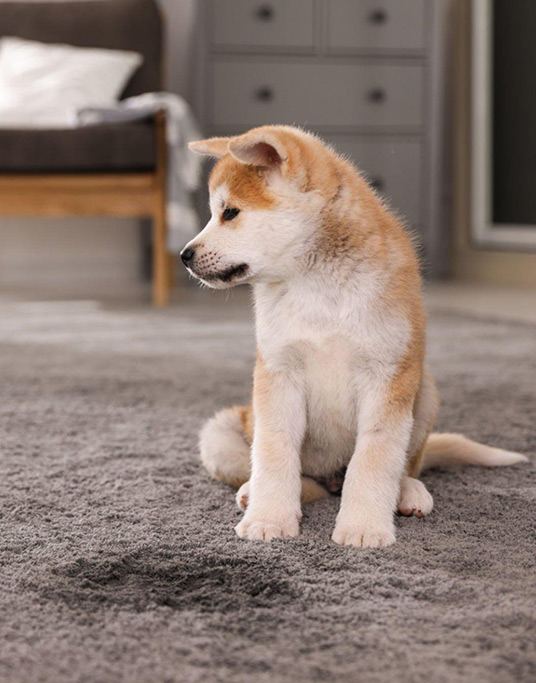
For carpet odours - which are one of the most common complaints in Melbourne homes with pets or children - sprinkle a generous layer of baking soda over the affected area and allow it to sit for several hours, or ideally overnight. The longer it sits, the more odour it absorbs. Vacuum thoroughly to remove it. For persistent pet odours, you may need to repeat this process two or three times.
Baking soda also works well in:
- Refrigerators (place an open box at the back to absorb food odours)
- Bins and waste receptacles (sprinkle a layer in the bottom)
- Shoes and gym bags
- Under furniture where pets sleep
One thing to keep in mind: baking soda absorbs odours from the top surface of carpets and rugs, but it does not penetrate deeply enough to address odours that have soaked through the pile into the backing and underlay. For those situations, professional carpet cleaning is the more appropriate solution.
Use the Acidic Power of White Vinegar
White vinegar is a natural deodoriser that works through its acidic properties, which neutralise the alkaline compounds responsible for many common household smells. It is especially effective on cooking odours, bathroom smells, and mildew.
Practical ways to use white vinegar for household odour control:
Floor cleaning - Mix half a cup of white vinegar with two litres of warm water and mop hard floors with this solution. The vinegar smell dissipates as it dries, taking other odours with it. This is particularly effective in kitchens and bathrooms where grease and humidity create persistent smells.
Refrigerator odours - Place a small bowl of white vinegar in the refrigerator for a few hours to absorb stale food smells. Alternatively, wipe down interior surfaces with a diluted vinegar solution.
Musty odours from fabrics - Add half a cup of white vinegar to the rinse cycle when washing musty towels, curtains, or bed linen. It neutralises the mildew smell without leaving a vinegar scent once dry.
Room odours - Leaving a small bowl of white vinegar on the kitchen bench overnight can dramatically reduce cooking odours. This works because the acetic acid in vinegar reacts with and neutralises the volatile compounds that cause food smells.
A note of caution: white vinegar is acidic and should not be used on natural stone surfaces (marble, travertine, limestone), as it can etch the surface. It should also be avoided on unsealed concrete and certain types of grout. For tile and grout cleaning, a pH-neutral approach is safer and more effective - professional tile and grout cleaning in Melbourne removes both the visible grime and the embedded bacteria that cause persistent bathroom odours.
Use Lemon in Your Garbage Disposal and Kitchen
Lemons are a natural odour neutraliser and mild antibacterial agent. The citric acid in lemons cuts through grease and neutralises the odorous compounds produced by bacteria breaking down food residues.
For the garbage disposal - a major source of kitchen odours in many Melbourne homes - place lemon rinds or citrus peels in the disposal and run it for fifteen to twenty seconds, followed by a flush of cold water. The citrus oils clean the blades and drum while the acid neutralises bacterial odours. For a more thorough clean, combine baking soda and lemon juice to create a mildly abrasive, foaming paste that scrubs deposits from the disposal walls.
Other ways to use lemon for household odour control:
- Rub half a lemon across cutting boards to remove onion and garlic smells
- Place lemon peel in a small bowl of water and microwave for two minutes to deodorise the microwave interior
- Add a few drops of lemon essential oil to your mop water for a fresh-smelling floor
- Place dried lemon peel in linen cupboards and wardrobes as a natural freshener
When Natural Methods Are Not Enough
Natural deodorising methods are effective for routine freshness maintenance, but there are situations where they cannot address the root cause of persistent odours. If smells return quickly after treating with baking soda or vinegar, the source of the odour is likely deeper than surface-level cleaning can reach.
Common situations where professional cleaning is the appropriate solution include:
Deep-set carpet odours from pets - Pet urine that has soaked through carpet pile, backing, and into the underlay cannot be fully neutralised with surface treatments. Professional hot water extraction combined with enzyme-based pre-treatment reaches the full depth of the contamination. Total Cleaning Melbourne’s stain treatment and pet odour control service is specifically designed for these situations, using targeted enzyme treatments to break down the organic compounds that cause persistent pet smells.
Musty smells from the HVAC system - If you notice a musty odour every time your heating or cooling system runs, the ducts may be contaminated with mould or bacteria. This is a job for professional duct cleaning in Melbourne, not household cleaning products.
Post-flooding odours - Any water damage that is not dried and treated within 24 to 48 hours creates ideal conditions for mould growth, which produces a persistent musty smell. This requires specialist remediation.
Smoke odours - Cigarette smoke or fire smoke permeates soft furnishings, carpets, and even hard surfaces at a molecular level. Professional cleaning using specialised equipment is the most effective treatment.
Professional house cleaning services use commercial-grade cleaning solutions, high-temperature steam, and extraction equipment that removes the source of odours rather than masking them. For persistent or widespread odour problems in your Melbourne home, a professional deep clean delivers results that home remedies cannot match.
Frequently Asked Questions
Why do bad odours come back after I clean? This usually means the source of the odour has not been fully removed. Bacteria, mould, or organic residue remaining in carpet fibres, grout, or upholstery continues to produce odour compounds even after surface cleaning. Treating the source - through deep cleaning or professional intervention - provides a lasting solution.
Is it safe to use vinegar and baking soda together on carpets? They can be used sequentially - baking soda first, then vacuumed up, followed by a light spray of diluted vinegar solution - but using them simultaneously creates a fizzing reaction that produces primarily water and carbon dioxide, reducing the effectiveness of both. Use them separately for best results.
Can professional cleaning completely eliminate pet odours? In most cases, yes. Professional hot water extraction combined with enzyme-based treatments breaks down and removes the organic compounds responsible for pet odours. However, if urine has saturated the underlay or reached the subfloor, additional treatment may be required, and in severe cases, underlay replacement may be necessary.
How can I reduce cooking odours in my home? Ensure your kitchen exhaust fan is clean and functioning effectively - a blocked or dirty rangehood recirculates cooking smells rather than removing them. Use the natural methods above for residual odours, and consider a periodic professional kitchen deep clean to remove grease build-up from surfaces where bacteria proliferate.
Total Cleaning Melbourne provides professional house cleaning and specialised odour treatment services across Melbourne. If natural methods have not solved your odour problem, contact our team for a no-obligation consultation.
IICRC-certified cleaning professionals serving all Melbourne suburbs since 2014.