Most Melbourne car owners want their vehicle looking its best, inside and out. But despite good intentions, DIY car cleaning frequently produces results that are disappointing or, worse, damaging to the vehicle’s paintwork, interior surfaces, and protective coatings. Knowing the most common car cleaning mistakes - and how to avoid them - makes a significant difference to both your results and the long-term condition of your vehicle.
Using the Wrong Cleaning Detergent
One of the most common and most damaging mistakes in DIY car washing is reaching for the wrong cleaning product. Kitchen dishwashing liquid, multi-purpose household cleaners, and general-purpose sprays might seem like convenient substitutes for purpose-formulated car products, but they are significantly more aggressive on automotive surfaces.
Dishwashing detergents are specifically formulated to cut through grease and wax - exactly what you want on cooking pans, but the opposite of what you want on car paintwork. These products strip protective wax coatings and polymer sealants from the paint surface, leaving it more vulnerable to UV damage, oxidation, water spots, and minor abrasion.
Automotive-specific shampoos, by contrast, are pH-balanced for painted surfaces, clean effectively without stripping protective coatings, and lubricate the surface to reduce the risk of fine scratches during the wash process.
Use only products formulated for their specific purpose:
- Exterior wash: pH-neutral automotive shampoo
- Wheels and tyres: dedicated wheel cleaner appropriate for your wheel finish
- Interior surfaces: purpose-made interior cleaner, leather conditioner for leather surfaces
- Glass: streak-free automotive glass cleaner
Washing in Direct Sunlight
Cleaning your car on a bright Melbourne summer afternoon in the driveway seems like the obvious choice - but direct sunlight during washing and drying creates a range of problems that work against the results you are trying to achieve.
Heat causes water and cleaning solutions to dry rapidly on the vehicle’s surface before you have a chance to rinse or wipe them away. This leaves water spots, soap residue, and cleaning solution streaks baked onto the paintwork, which can be difficult or impossible to remove without polishing.
UV exposure also accelerates chemical reactions between cleaning products and the paint surface, potentially causing temporary hazing or dullness, particularly on darker coloured vehicles.
The solution is straightforward: wash your vehicle in a covered area, in the shade, or during the cooler parts of the day - early morning or late afternoon. If shade is not available, work in small sections, rinsing each section before the product has a chance to dry.
Leaving Hard Water on Car Paint
Hard water - water with high mineral content - is common in many Melbourne areas. When hard water is left to dry on a painted surface, the water evaporates but the minerals remain, bonding to the paint and leaving visible white or chalky water spots. Over time, these mineral deposits can etch into clear coat finishes and cause permanent surface damage.
Two critical drying mistakes:
Not drying at all - Leaving the vehicle to air dry after washing almost always results in water spots. Always dry the vehicle promptly after rinsing using a clean, high-quality microfibre drying towel.
Using the drying towel as a cleaning cloth - If you notice a spot of stubborn dirt during drying and try to scrub it off with the drying towel, you risk dragging abrasive contamination across the paint and causing fine scratches (swirl marks) that are visible in direct light. If you notice remaining dirt after rinsing, re-wash that area rather than attempting to buff it away.
Skipping the Pre-Rinse
Before applying shampoo, the vehicle should always be thoroughly pre-rinsed with water to remove loose surface contamination - dust, pollen, bird droppings, and grit. Applying a wash mitt or sponge to a vehicle surface that has not been pre-rinsed grinds this loose contamination into the paint, causing fine scratches throughout the wash process.
A proper pre-rinse uses adequate pressure to dislodge and remove loose particles, particularly from body panel seams, under window rubbers, and wheel arches where grit accumulates.
Neglecting the Interior
Exterior washing gets most of the attention, but the interior of a vehicle accumulates significant contamination that affects both the condition of the materials and the quality of the air inside the cabin.
Regular interior maintenance should include:
- Vacuuming carpets, floor mats, seats, and boot area to remove loose debris
- Wiping hard surfaces with an appropriate interior cleaner
- Conditioning leather surfaces to prevent drying and cracking
- Cleaning glass on the interior surfaces, which accumulate a film of off-gassing from plastics and vinyl
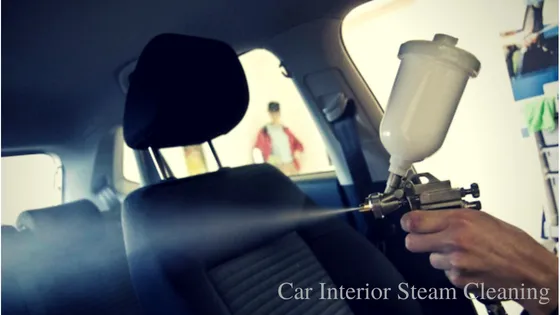
For Melbourne vehicle owners wanting a thorough and professionally executed interior clean, our car interior steam cleaning service uses controlled steam to deep clean seats, carpets, vents, and surfaces without harsh chemicals - delivering a result that is genuinely clean and hygienically fresh, not just surface-wiped.
Tile Cleaning: A Related Lesson in Using the Right Products
The lesson from car cleaning generalises well to other surfaces in the home. Using the wrong products for any surface - whether car paint or floor tiles - causes damage that could easily be avoided.
For Melbourne homeowners with tiled flooring, similar principles apply: using bleach, ammonia, or highly alkaline cleaners on ceramic or porcelain tiles can degrade grout, etch tile surfaces, and cause long-term appearance problems. The right approach is a pH-neutral tile cleaning solution, properly rinsed. When staining has gone beyond what household cleaning can address, professional tile and grout cleaning restores the surface effectively without causing damage.
FAQ
Q: Can I use window cleaner on my car’s exterior glass?
A: Standard household window cleaners typically contain ammonia, which can damage rubber window seals, tinted films, and some plastic trim if it comes into contact with them. Purpose-made automotive glass cleaners are ammonia-free and specifically formulated to be safe on all parts of a vehicle’s glass and surrounding components. Use these instead.
Q: How often should I have my car’s interior professionally steam cleaned in Melbourne?
A: For most Melbourne drivers, a professional car interior steam clean every 6 to 12 months is a reasonable frequency for maintaining hygiene and extending the life of interior surfaces. More frequent treatment is worthwhile if you have children, pets, regularly carry passengers, or use the vehicle for work.
Q: What causes swirl marks on car paint and how can I avoid them?
A: Swirl marks are micro-scratches in the clear coat of the paint, typically caused by washing with abrasive materials, using a dirty wash mitt, drying with a worn or rough towel, or applying pressure to grit on the paint surface. Using a clean, soft microfibre wash mitt, clean water, proper lubrication from quality car shampoo, and a clean microfibre drying towel - and replacing these regularly - minimises the risk.
For professional car interior steam cleaning across Melbourne, contact Total Cleaning Melbourne today. Our team delivers a thorough, hygienic, and professional result for vehicles of all types.
IICRC-certified cleaning professionals serving all Melbourne suburbs since 2014.