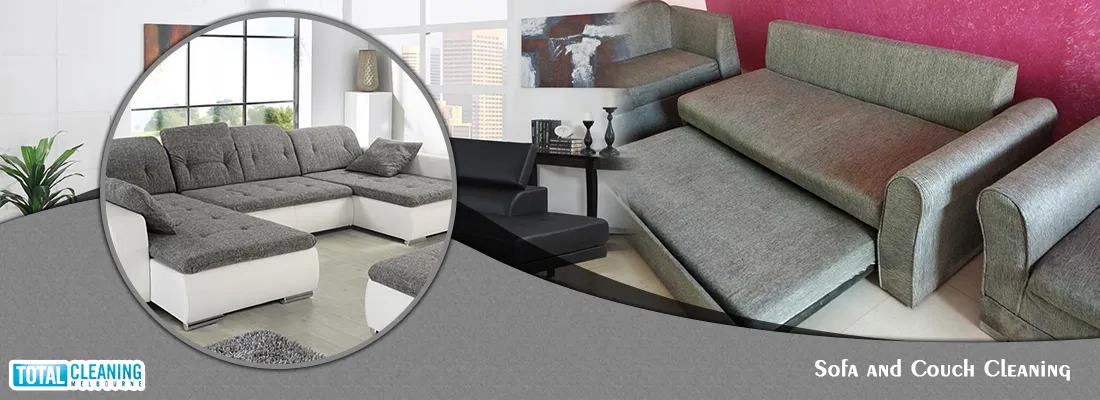
Fabric sofas are comfortable, stylish, and a central feature of most Melbourne living rooms - but they are also magnets for spills, pet hair, dust, and everyday grime. Unlike leather, which can often be wiped clean relatively easily, fabric upholstery absorbs liquid and traps debris in its fibres, making cleaning more complex. The right approach depends on the specific fabric type and the nature of the soiling - and getting it wrong can cause irreversible damage.
This guide covers everything you need to know about cleaning your fabric sofa properly, from understanding care labels to treating stains and knowing when professional upholstery cleaning is the right choice.
Always Check the Care Label First
Before attempting to clean any part of a fabric sofa, locate and read the manufacturer’s care label - usually found underneath the seat cushions or on the back of the furniture.
This label contains critical information that determines what cleaning methods are safe for your specific sofa. Using the wrong approach can void warranties, cause permanent discolouration, or physically damage the fabric.
Understanding the common care label codes:
- W - Water-based cleaning products are safe to use on this fabric.
- S - Solvent-based cleaner only - do not use water. Water can leave marks on this fabric.
- WS - Both water-based and solvent-based cleaners are suitable.
- X - Vacuum only. No water or cleaning products should be applied to this fabric.
This four-letter system tells you exactly what you can and cannot do before you start. Never assume that water is harmless - on certain fabrics, water alone will leave a visible watermark that is extremely difficult to remove.
If you cannot find the original care label or it has become illegible, the safest approach is to test any cleaning method in a hidden area first - such as the underside of a cushion or the back of the sofa near the floor.
How to Remove Stains from a Fabric Sofa
For sofas labelled W or WS, follow these steps to treat common stains:
Immediate Action Is Critical
The sooner you act on a spill, the better your chances of complete removal. As soon as a spill occurs:
- Blot immediately - use a clean, dry, white cloth or paper towel to absorb as much of the liquid as possible. Press firmly and lift - do not rub. Rubbing spreads the stain and forces it deeper into the fibres.
- Work from the outside in - blotting from the edges of the stain towards the centre prevents it from spreading outward.
- Remove solid debris - scoop or lift any solid residue with a spoon or blunt knife before treating with any liquid.
Treating Water-Safe Fabric Stains
For general stains on W-rated fabric:
- Mix a small amount of mild dish soap with cool water. For oil-based stains, use warm water.
- Apply the foam (not the liquid) from the top of the mixture to the stained area using a soft cloth or sponge.
- Work gently in a circular motion - do not scrub aggressively.
- Blot with a clean, damp cloth to remove the soap residue.
- Blot again with a dry cloth and allow to air dry.
For stubborn stains, bicarbonate of soda and a small amount of hydrogen peroxide can be effective - but always test on a hidden area first, as this combination can lighten some fabric colours.
Treating S-Rated Fabric
For sofas requiring solvent-based cleaning only:
- Purchase a dry cleaning solvent or upholstery cleaning spray specifically formulated for S-rated fabrics.
- Apply sparingly to a cloth (never directly to the sofa) and blot the stain gently.
- Do not use water at any point.
- Allow the area to air dry completely.
Regular Maintenance for Fabric Sofas
Beyond spot cleaning, regular maintenance keeps your fabric sofa looking its best and extends its lifespan:
Weekly vacuuming - Use your vacuum’s upholstery attachment to remove dust, crumbs, pet hair, and surface debris from all cushions and crevices. Removing this debris regularly prevents it from becoming embedded in the fabric.
Cushion rotation - Rotate and flip cushions regularly to distribute wear evenly and prevent permanent compression patterns from developing in the foam.
Sun protection - Position your sofa away from direct sunlight where possible, or use window coverings during peak sunlight hours. UV exposure fades fabric upholstery over time.
Pet management - Use protective throws or blankets in areas where pets rest, and clean pet hair promptly to prevent dander accumulation.
When to Call a Professional Upholstery Cleaner
Some situations genuinely call for professional assistance rather than DIY treatment:
- Large or multiple stains that DIY treatment has not fully resolved
- Persistent odours from pets, food, or general use
- Antique or delicate fabrics where any incorrect technique could cause damage
- X-rated fabric (vacuum only) that requires professional equipment to clean properly
- The sofa has not been professionally cleaned for 12 months or more and has accumulated embedded soil and allergens
- Mould or mildew has developed in the fabric
Professional upholstery and couch cleaning uses specialised equipment and fabric-appropriate cleaning chemistry to achieve a deep clean that DIY methods cannot replicate. Trained technicians identify the fabric type, assess the soiling, and select the correct approach - delivering results without the risk of damage.
At Total Cleaning Melbourne, our professional upholstery cleaning service covers fabric sofas, couches, armchairs, dining chairs, and other upholstered furniture across Melbourne. We bring the expertise and equipment to your home and deliver results that look and smell genuinely fresh.
FAQ
Q: Can I use a regular carpet cleaner or steam mop on my fabric sofa?
A: Not without checking the care label first. Many fabric sofas are not suitable for water-based cleaning, and steam mops or carpet cleaning machines may over-wet the fabric, damage the foam or backing, or leave water marks. Always check the care label and, if in doubt, contact a professional upholstery cleaner.
Q: How do I remove pet odour from a fabric sofa?
A: Bicarbonate of soda is effective for mild pet odours - sprinkle generously over the affected area, leave for several hours or overnight, then vacuum thoroughly. For persistent or strong odours, professional upholstery cleaning with enzyme-based deodorising treatment is the most reliable solution.
Q: How often should a fabric sofa be professionally cleaned?
A: For most Melbourne households, a professional upholstery clean every 12 to 18 months is a reasonable guideline. Homes with pets, young children, or allergy sufferers may benefit from more frequent professional cleaning - every 9 to 12 months. Regular vacuuming between professional cleans significantly extends the life of the results.
Need professional help with your fabric sofa? Contact Total Cleaning Melbourne for expert upholstery cleaning across Melbourne - quality results, safe chemistry, and a genuine commitment to your satisfaction.
IICRC-certified cleaning professionals serving all Melbourne suburbs since 2014.