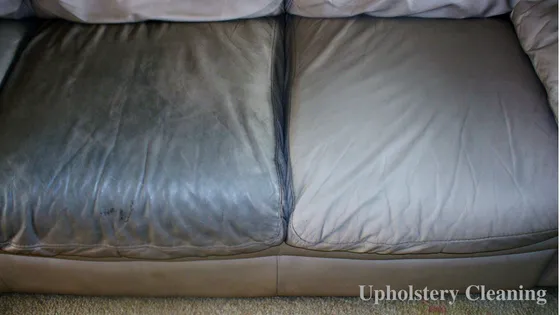
A natural leather couch is one of the most significant investments any Melbourne homeowner makes in their living space. Leather ages beautifully when properly cared for and can last a lifetime - but it requires a more considered maintenance approach than fabric upholstery. Natural leather is porous and sensitive to moisture, cleaning products, heat, and the gradual accumulation of skin oils and dust. Getting the cleaning approach right preserves both the appearance and the longevity of the material.
This guide covers the best home cleaning methods for natural leather couches and explains when a professional upholstery cleaning in Melbourne service is the safer and more effective choice.
Understanding Leather Types and Why They Matter
Not all leather couches are the same, and the type of leather determines exactly how you should clean and maintain it. Understanding which leather you have is the first step to avoiding costly mistakes.
Aniline Leather
Aniline leather is the most natural-looking and luxurious type. It is dyed with transparent dyes that allow the natural grain and texture of the hide to show through. Because it has no protective topcoat, aniline leather is the most absorbent and the most vulnerable to staining, fading, and moisture damage. Spills must be blotted immediately - there is almost no time before liquid penetrates the surface. Aniline leather requires careful, specialist cleaning products and regular conditioning.
Semi-Aniline Leather
Semi-aniline leather has a thin protective topcoat applied over the aniline dye. This provides slightly better resistance to stains and fading while still retaining a natural appearance and soft feel. It is more forgiving than full aniline but still requires leather-specific cleaning products - never general household cleaners.
Pigmented (Protected) Leather
Pigmented leather has a polymer surface coating that provides the highest level of protection against stains, scratches, and fading. It is the most durable and easiest to maintain of the three types, making it popular for family homes with children and pets. While it tolerates slightly more cleaning, it still benefits from leather-specific products and regular conditioning to keep the surface coating in good condition.
If you are unsure which type of leather your couch is made from, a simple test is to place a single drop of water on an inconspicuous area. If the water absorbs quickly and darkens the surface, you likely have aniline leather. If it beads on the surface, it is pigmented.
Why Does Natural Leather Need Special Care?
Natural leather is an organic material - tanned animal hide - that shares some characteristics with human skin. It breathes, absorbs moisture, and responds to conditioning treatments. Like skin, it can dry out, crack, and discolour if neglected or treated with inappropriate products.
The porosity of natural leather means it readily absorbs liquids and oils. This is both a feature and a vulnerability. In its favour, leather takes conditioning products that restore suppleness and provide protection. As a vulnerability, spills and oils penetrate quickly and are much harder to remove once absorbed.
Many common cleaning products - ammonia-based cleaners, acetone-based solvents, and bleach - are damaging to natural leather. They strip the protective treatment and natural oils from the hide, causing discolouration, cracking, and surface damage that is difficult or impossible to reverse. Always check that any cleaning product is specifically formulated and tested for use on natural leather before applying it to your couch.
How Do You Keep Leather Clean Between Deep Cleans?
Regular dusting and light cleaning are the foundation of good leather care:
- Dust weekly with a soft, dry cloth or the upholstery attachment of a vacuum cleaner. This removes the surface dust and fine particles that, if left, can work their way into the leather and cause gradual deterioration.
- Wipe down monthly with a cloth lightly dampened with plain distilled water. Do not use tap water that contains minerals and chlorine, which can leave residue on the leather surface. Wipe gently and allow to air dry naturally - do not use heat to speed drying.
- Condition periodically - every three to six months - with a leather conditioning product appropriate for your couch type. Conditioning replenishes the natural oils that keep leather supple and resistant to cracking. Apply the conditioner with a soft cloth in circular motions, allow to absorb for several minutes, and buff gently.
Seasonal Leather Care in Melbourne
Melbourne’s variable climate presents specific challenges for leather furniture. The city’s humidity fluctuates significantly across seasons, and leather responds directly to these changes.
Summer and High Humidity
During Melbourne’s warmer months, higher humidity means the leather absorbs more ambient moisture. While this can temporarily keep the leather supple, it also creates conditions where mould can develop - particularly on couches positioned against exterior walls or in rooms with poor ventilation. During humid periods, ensure good airflow around the couch and check the back and underside periodically for any signs of mould growth.
If you use air conditioning extensively, the opposite problem can occur. Air-conditioned rooms have very low humidity, which dries leather out faster than normal. In heavily air-conditioned rooms, increase your conditioning frequency to every two to three months.
Winter and Heating
Melbourne winters often mean gas or ducted heating running for extended periods. Heated air is dry, and leather positioned near heating vents or radiators will dry out and crack much more quickly. Position your leather couch at least one metre from any direct heat source, and condition more frequently during winter months to counteract the drying effect.
Year-Round Sun Protection
Regardless of season, direct sunlight causes leather to fade and become brittle over time. Use blinds or curtains during peak sun hours if your couch is positioned near windows. UV damage to leather is cumulative and irreversible - prevention is the only effective strategy.
How Do You Deal with Specific Stains on Leather at Home?
Ink Stains
Ink stains need prompt action. Blot up any excess ink immediately with a clean, dry cloth or paper towel to absorb the liquid before it penetrates deeper. A cotton swab lightly dampened with isopropyl rubbing alcohol can be used carefully on fresh ink marks - apply gently and do not scrub, as rubbing spreads the stain and can damage the leather surface. Always spot-test in a concealed area first.
Avoid hairspray - this was once a commonly suggested remedy but modern formulations often contain ingredients that can damage leather. Avoid acetone-based nail polish removers, which strip the leather’s protective coating. Non-acetone nail polish remover and white toothpaste are both gentler alternatives that sometimes work on very fresh stains, but should be tested first.
Oil and Grease Stains
For fresh oil stains, immediately sprinkle bicarbonate of soda (baking soda) generously over the affected area. Leave it undisturbed for several hours - ideally overnight. The bicarbonate absorbs the oil from the leather surface. Brush away gently with a soft cloth, then wipe the area clean.
This method works well on fresh oil stains. Older, deeply absorbed oil stains are far more difficult to remove at home and often require professional treatment.
Wine and Beverage Stains
Red wine is one of the most common and most feared leather stains. If red wine spills on your leather couch, blot immediately with a clean, dry white cloth - do not rub. Once you have absorbed as much liquid as possible, lightly dampen a cloth with plain distilled water and gently blot the area. For pigmented leather, a mild soap solution can help lift remaining colour. For aniline leather, do not apply any cleaning solution - blot with water only and contact a professional.
White wine, beer, and soft drinks are less aggressive but still require immediate attention. Blot, wipe with a damp cloth, and dry naturally. The sugar content in many drinks can leave a sticky residue that attracts dirt if not properly cleaned.
Darker, Stubborn Discolouration
For deep or persistent discolouration - dark stains from ink, wine, or other heavily pigmented substances - attempting DIY treatment with strong household products is risky. Strong acetone-based cleaners strip the colour and protective surface treatment from leather, leaving a bleached patch that is immediately obvious.
In this situation, professional leather couch cleaners are the right choice. They use appropriate commercial chemicals that safely dissolve the staining compounds, and then restore the affected area’s colour and finish using matched pigments or toners. The result is a seamlessly repaired surface rather than a visibly bleached or damaged patch.
When to Call Professional Upholstery Cleaners
Several situations clearly warrant professional attention rather than a home remedy:
- Set-in stains that have been present for more than a few hours - particularly protein-based stains from food, blood, or sweat that have penetrated the pores
- Deeply absorbed ink, wine, or pigmented stains that DIY attempts have not resolved
- Cracking, peeling, or flaking surface treatment - signs that the leather needs professional reconditioning rather than simple cleaning
- Persistent odours that regular maintenance has not addressed
- Mould growth - which can develop on leather stored in damp conditions and requires careful specialist treatment
- Overall dullness and loss of suppleness after years of use
Total Cleaning Melbourne’s professional leather and upholstery cleaning service uses the appropriate methods and products for natural leather specifically. We clean, condition, and where necessary colour-treat leather to restore it to the best possible condition.
Frequently Asked Questions
Q: How often should a natural leather couch be professionally cleaned?
A professional clean every 12 to 18 months is appropriate for most leather sofas in regular household use. Homes with pets, children, or heavy use may benefit from more frequent professional attention. Regular maintenance between professional cleans extends the life of the results significantly.
Q: Can I use baby wipes to clean my leather couch?
Baby wipes are convenient but not recommended for regular leather cleaning. Many contain moisturisers and fragrances that leave a film on leather over time, and some formulations contain ingredients that can slowly degrade the surface. A damp cloth with distilled water is a safer routine option.
Q: What is the best way to protect a leather couch long-term?
Keep the couch away from direct sunlight and heat sources, which dry out the leather and cause fading and cracking. Condition regularly - every three to six months, or more frequently in air-conditioned or heated rooms. Address spills immediately. Book professional cleaning annually. These steps together are the most effective long-term protection strategy.
Q: How do I know if my leather couch is aniline or pigmented?
Place a single drop of water on a concealed area of the leather. If it absorbs quickly and temporarily darkens the surface, you have aniline or semi-aniline leather. If the water beads and sits on the surface, you have pigmented leather. This distinction matters because aniline leather requires more careful, specialist cleaning methods.
Q: Does Melbourne humidity damage leather furniture?
Melbourne’s fluctuating humidity can affect leather over time. High humidity in summer creates conditions for mould growth, while dry winter heating can cause leather to crack. Position your couch away from heating vents, ensure good airflow, and condition more frequently during extreme weather seasons. Professional upholstery and couch cleaning includes conditioning treatments that help protect against seasonal damage.
Q: Can I use vinegar to clean a leather couch?
A very dilute solution of white vinegar and water (1:1 ratio) can be used occasionally on pigmented leather to remove light soiling, but it is not recommended for regular use or for aniline leather. Vinegar is mildly acidic and can gradually break down the leather’s protective finish with repeated application. Professional-grade leather cleaners are always the safer choice.
For professional leather couch cleaning and conditioning services in Melbourne, contact Total Cleaning Melbourne today. Our team brings the expertise needed to care for your most valuable furniture pieces properly.
Need professional cleaning help?
Our IICRC-certified team services all Melbourne suburbs. Get a free, no-obligation quote today.
IICRC-certified cleaning professionals serving all Melbourne suburbs since 2014.