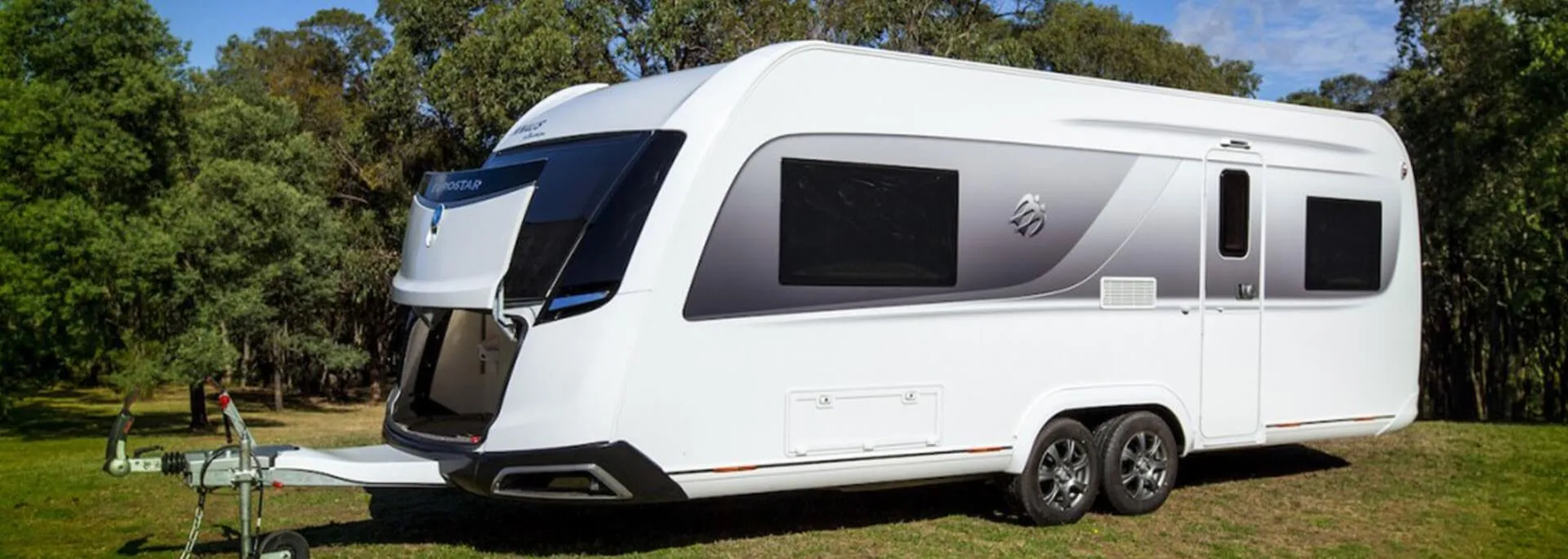
If your caravan has lost its shine, you are not alone. Melbourne’s climate - hot summers, UV-intense days, and coastal humidity across many parts of the city - takes a toll on caravan surfaces over time. Oxidation, road grime, bird waste, and general weathering all gradually dull the exterior, while the interior accumulates odours, dust, and wear from regular use.
The good news is that most of this is reversible with the right approach. Whether you prefer to handle detailing yourself or leave it to professionals, understanding the correct techniques makes a significant difference to the quality of the outcome - and to avoiding the kind of damage that comes from well-intentioned but incorrect methods.
For Melbourne caravan owners who would rather leave the job entirely to an experienced team, caravan detailing Melbourne from Total Cleaning Melbourne covers everything from exterior wash and polish to interior steam cleaning and odour treatment.
Preparation: Set Yourself Up Before You Start
Good preparation is the foundation of effective detailing. Rushing into the job without setting the conditions properly leads to missed areas, product problems, and frustration.
Give yourself room to work. Before you start, ensure there is clear space to walk entirely around the caravan on all sides. Restricted access means you will miss sections - particularly around the lower edges, wheel arches, and rear corners.
Choose the right time of day. Avoid cleaning in direct, strong sunlight. When the caravan surface is hot, cleaning products and water dry before you can work with them properly, leaving product residue and water marks that are difficult to remove. Early morning or late afternoon - or an overcast day - gives you significantly more working time and better results.
Use a stepladder for the roof. The caravan roof accumulates substantial dirt, debris, moss, and organic material and needs regular attention. Use a proper stepladder to access it - walking on the roof can cause damage to soft roofing materials and void any relevant warranty.
Clear the interior before starting. Remove all personal belongings, clothing, food, and loose items from inside the caravan before any interior cleaning begins. Unobstructed access to all surfaces is essential for a thorough result.
Position your water source correctly. If you are washing with a hose, set the angle so that water flows over the roof and runs down the sides, carrying loose dirt and debris away from the caravan. Starting at the top and working down is the most efficient approach - you are always washing dirty water away from already-cleaned surfaces, not back onto them.
Exterior Washing: The Right Way to Clean Caravan Panels
The exterior wash is the most visible part of the detailing process, but it is also where mistakes that cause lasting damage most commonly occur.
Hose down before applying any product. Before using any shampoo or cleaning product, rinse the entire exterior thoroughly with water to remove loose dirt, grit, moss, and leaf material. This pre-rinse prevents abrasive particles from being dragged across the panels when you apply your wash mitt or brush.
Do not use a high-pressure washer carelessly. High-pressure washers are popular because they remove dirt quickly, but they can force water past window seals, door seals, and vent covers - causing water ingress into the caravan’s wall cavity that leads to mould, structural damage, and delamination. If you use a pressure washer, control the pressure carefully, maintain a safe distance from seals, and direct the spray parallel to seal edges rather than into them.
Use the right shampoo. Caravan exterior surfaces - fibreglass, aluminium, and painted panels - require a shampoo specifically formulated for caravans or marine vessels. General household detergents and car wash products are formulated for different purposes and can strip protective treatments from caravan surfaces, degrade rubber seals, and leave chemical residues.
Work from the top down, in sections. Apply shampoo with a long-handled brush or soft mop and clean in horizontal strokes, section by section from the roof to the lower panels. Pay particular attention to areas where grime accumulates: around window frames, at panel joins, and along the lower body edges.
Polish and Wax: Protecting the Surface for the Long Term
Washing removes surface contamination, but polishing and waxing are what protect the caravan and restore or maintain its appearance.
Polish before you wax. Polishing removes minor surface oxidation and micro-abrasions from the panel. If the exterior looks dull or has areas of faded paint, a good quality caravan or marine-grade polish will restore the shine significantly. Apply with a soft applicator pad in circular motions and buff off with a clean microfibre cloth.
Skipping the polish step means you are applying wax over a surface that is not properly prepared - the wax then protects contaminated or oxidised surface rather than the underlying panel material, and the result will not last as well.
Wax as the final exterior step. Wax creates a hydrophobic protective layer on the panel surface that repels water, UV radiation, and airborne contamination. A well-waxed caravan sheds rain and remains cleaner between washes for longer.
Apply wax according to the product instructions - most require the wax to haze before buffing. Allow adequate time for this, particularly in cooler conditions where hazing takes longer. Buff off firmly with a clean, dry microfibre cloth.
Test the wax with a water sprinkle. After waxing, sprinkle a small amount of water on the surface. If it forms tight, round beads that roll freely, the wax is working correctly. If the water spreads into a flat sheet rather than beading, the surface needs more wax coverage.
Interior Detailing: The Other Half of the Job
A caravan’s exterior condition is immediately visible, but the interior is where your family actually lives during trips. Interior detailing deserves equal attention.
Vacuum thoroughly before any wet cleaning. Begin every interior detailing session by vacuuming all carpet areas, seat cushions, mattresses, and soft surfaces. Removing loose debris first prevents it from being spread or embedded further when wet cleaning begins.
Clean and sanitise the kitchen. Cooking inside a caravan means grease, food residue, and splatter accumulate on benchtops, the stovetop, and inside any microwave or oven. Use appropriate cleaners for each surface type and sanitise all food contact areas after cleaning.
Address bathroom surfaces and seals. The caravan bathroom requires the same attention as a household bathroom - scrub toilet, basin, and shower surfaces, and pay close attention to grouted and silicone-sealed areas where mould tends to establish itself.
Treat upholstery and mattresses. Seat cushions, mattresses, and curtains accumulate dust, skin oils, and trip-accumulated odours. Professional steam cleaning is the most effective method for these surfaces - it sanitises without saturating the filling material and removes embedded odours that surface cleaning misses.
Ventilate after treatment. After deodorising treatments and steam cleaning, open all windows and vents for several hours to allow moisture to escape and the interior to air fully.
Frequently Asked Questions
Q: How often should I detail my caravan?
For most Melbourne caravan owners, twice a year is the standard recommendation - once before the travel season and once after the final trip before the caravan goes into storage. Caravans used in coastal environments, stored outdoors, or used heavily may benefit from more frequent attention.
Q: Can I bring back badly faded or oxidised caravan panels myself?
Light to moderate oxidation can be significantly improved with a quality polishing compound applied by hand or with a machine polisher. Severe or uneven oxidation may require professional panel treatment. A professional detailing assessment will determine what is achievable without repainting.
Q: What is the best way to protect my caravan during storage?
Ensure the caravan is completely dry before closing it up - any moisture left inside during storage will lead to mould growth. Place moisture absorber products inside the caravan and ventilate periodically if the storage period is extended. Covering the exterior with a breathable caravan cover protects against UV, bird waste, and surface contamination accumulating while it is parked.
For professional caravan detailing that takes all the work off your hands, contact Total Cleaning Melbourne today. Our mobile team covers caravan owners across Melbourne with thorough interior and exterior results.
IICRC-certified cleaning professionals serving all Melbourne suburbs since 2014.