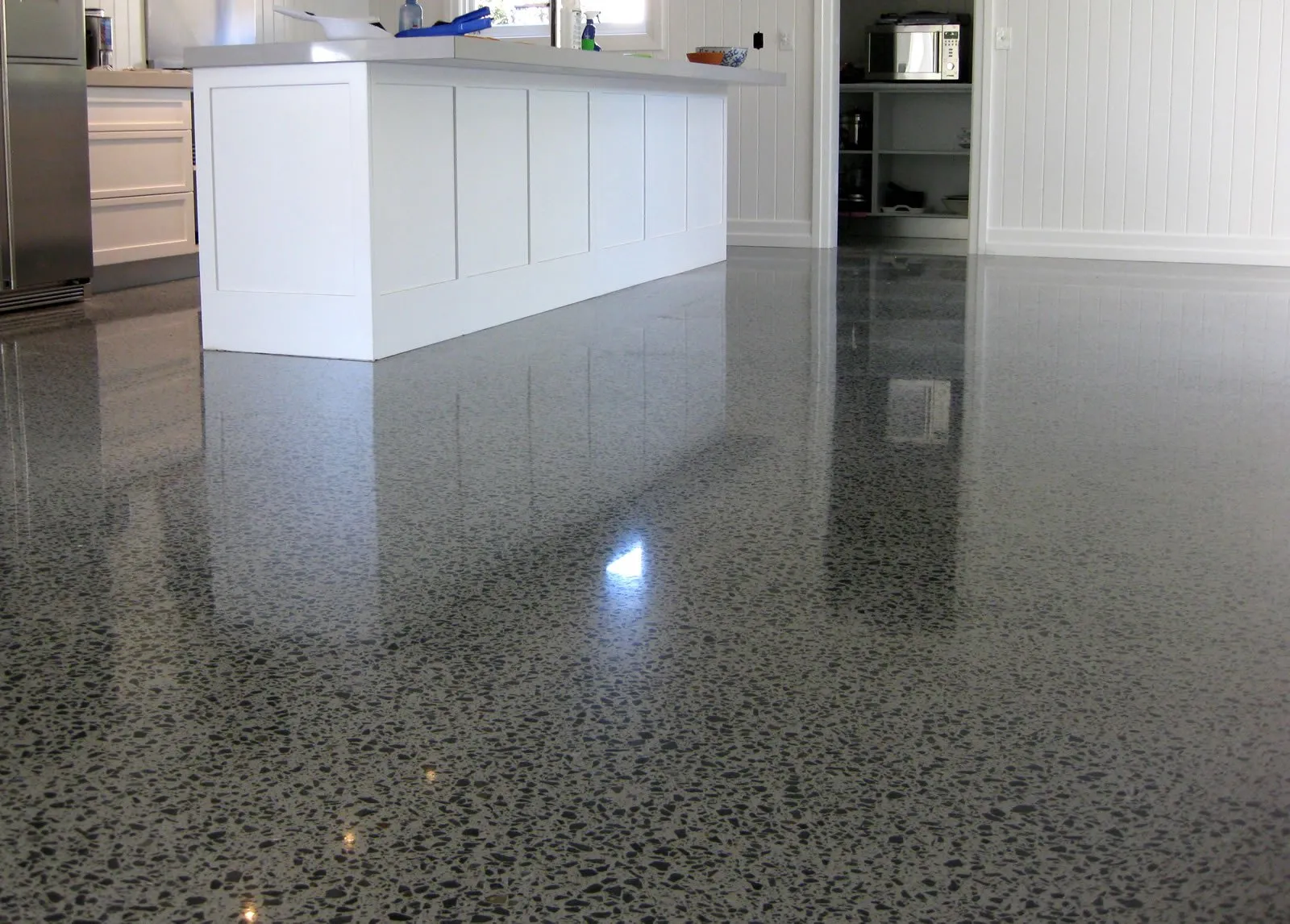
Polished concrete floors have earned their reputation as one of the most durable and low-maintenance flooring options available for Melbourne homes and commercial spaces. Their high-gloss finish is visually striking, their resistance to wear and staining is excellent, and their longevity when properly maintained is virtually unmatched by other flooring materials. But “low-maintenance” does not mean “no maintenance.” Even the most robust polished concrete floor requires consistent care to preserve its signature lustre and resist the gradual dulling that heavy use inevitably causes.
This guide covers everything you need to know to keep your polished concrete floors looking exceptional - from daily habits through to periodic professional maintenance.
Why Polished Concrete Needs Ongoing Care
The beauty of polished concrete comes from the combination of a dense, smooth surface and the highly reflective finish created through progressive grinding and polishing. That reflective quality - the mirror-like sheen that makes polished concrete so visually compelling - is also what makes surface maintenance important.
Fine dust and grit particles that accumulate on the floor are abrasive. When walked across, they act like sandpaper against the polished surface, gradually wearing away the gloss. In high-traffic areas, this process can be surprisingly rapid. A protective sealant provides a buffer against this abrasion, but even sealed surfaces require regular maintenance to preserve the finish over the long term. In Melbourne, humidity fluctuations throughout the year can also affect sealant longevity - moisture levels during the warmer months accelerate sealant degradation, meaning Melbourne properties may need resealing more frequently than those in drier climates.
The good news is that the maintenance routine for polished concrete is genuinely straightforward and quick compared to other high-maintenance flooring options like timber, which requires periodic sanding and recoating.
Daily and Routine Maintenance
Dry Mopping or Dust Mopping
The single most effective daily maintenance step for polished concrete is dust mopping - particularly in high-traffic areas and around entry points where outdoor particles are most concentrated.
Use a microfibre dry mop or a very soft synthetic pad for this purpose. Microfibre attracts and holds fine dust particles rather than pushing them across the surface, reducing the abrasion caused by grit. Standard straw brooms can also work but are less effective at capturing fine particles.
This process should take only a few minutes per day and dramatically reduces the rate at which the polish wears. In commercial environments - retail stores, warehouses, and food service spaces - dust mopping multiple times daily is worthwhile.
Entry Matting and Traffic Management
Placing entry mats at all access points to polished concrete areas significantly reduces the amount of grit and outdoor soil that reaches the floor surface. High-quality entrance matting with a scrubbing surface captures particles from footwear before they are distributed across the polished floor.
In commercial environments, rubber-backed mats or coconut fibre mats are effective options. In residential settings, a well-fitting entrance rug achieves the same purpose. Clean or replace entrance matting regularly - saturated or worn mats become ineffective at capturing particles.
Prompt Spill Management
All spills should be cleaned up immediately. While sealed polished concrete is significantly more stain-resistant than unsealed concrete, allowing liquids - particularly acidic ones like wine, coffee, or juice - to sit can cause etching or staining if left for extended periods.
Blot spills with a clean, absorbent cloth rather than spreading them across a larger area. Follow with a quick wipe using clean water.
Regular Wet Mopping
In addition to daily dust mopping, polished concrete floors benefit from regular damp mopping to remove light soiling that dry mopping leaves behind.
Use warm water and a pH-neutral cleaner. This is critical. Acidic cleaners (vinegar, lemon-based products, many bathroom cleaners) will etch the surface of polished concrete over time, dulling the finish. Alkaline cleaners (bleach, ammonia-based products, many kitchen degreasers) cause similar damage. Only pH-neutral cleaners specifically formulated for polished concrete or hard floors should be used.
Use a clean, well-wrung mop. Excess water pooling on the floor can cause issues over time - always use a damp rather than wet mop. A clean microfibre mop head is the best tool for polished concrete.
Work systematically across the floor to avoid redepositing dirt in areas you have already cleaned.
Allow the floor to dry completely after mopping. Good ventilation speeds drying and prevents streaking.
Restoring Gloss When Dulling Occurs
Despite best maintenance efforts, high-traffic polished concrete floors will gradually show some dulling in the most-used areas - typically door entries, main corridors, and kitchen work zones.
In most cases, the appearance can be restored with a straightforward application of a compatible concrete floor sealer or polishing compound. Applied with a floor buffer, this treatment re-fills micro-scratches in the surface and restores the reflective quality. For residential floors, this may only be necessary every few years if maintenance is consistent. Commercial floors under heavier traffic may need restoration treatment more frequently.
For more significant dulling or surface damage - scratches, acid etching, or areas where the surface seal has been compromised - professional assessment and treatment from a concrete polishing specialist provides the most reliable restoration.
Professional Maintenance for Long-Term Performance
Even with excellent routine care, polished concrete floors benefit from periodic professional maintenance. A professional assessment can identify areas where the sealant is wearing thin, address any surface damage before it progresses, and apply a fresh sealing or polishing treatment that restores the floor to its original standard.
Total Cleaning Melbourne provides professional concrete floor maintenance and concrete polishing services across Melbourne. Our team understands the specific requirements of different concrete finishes and uses appropriate products and equipment to achieve lasting results.
Common Concrete Floor Maintenance Mistakes
Even well-intentioned maintenance routines can cause damage to polished concrete if the wrong approach is used. Here are the most common mistakes Melbourne property owners make:
Using acidic or alkaline cleaners. Vinegar, lemon-based products, bleach, and ammonia-based cleaners are among the most common causes of polished concrete damage. These products etch the surface, dulling the finish progressively with each use. Only pH-neutral cleaners formulated for polished concrete should be used - ever. This mistake is particularly common when cleaners suitable for other hard floors like tile and grout are used interchangeably on concrete.
Neglecting entry matting. Without effective entry mats at every access point, grit and sand particles are tracked directly onto the polished surface. These abrasive particles grind against the finish with every footstep, causing accelerated dulling in high-traffic paths - particularly in Melbourne’s sandy and gravel-prone outer suburbs.
Over-wetting the floor during mopping. Excess water left pooling on polished concrete can seep into micro-cracks and pores in the sealant, causing discolouration, cloudiness, and in severe cases, sealant delamination. Always use a well-wrung damp mop rather than a wet one, and never leave standing water on the surface.
Delaying resealing. Many property owners wait until the floor is visibly dull before considering resealing, by which point the unprotected surface has sustained micro-scratching that a simple seal coat cannot fully correct. Regular professional assessment identifies sealant wear before it reaches this stage, preserving the original polish quality.
Frequently Asked Questions
Q: Can I use a steam mop on polished concrete?
Steam mops are not recommended for polished concrete. The high heat and moisture can damage the sealant layer and potentially cause surface discolouration. A damp microfibre mop with a pH-neutral cleaner is the safer and more effective choice for routine cleaning.
Q: How often does polished concrete need to be resealed?
This depends on the level of traffic and the type of sealer used. Most residential polished concrete floors need resealing every three to five years with proper maintenance. High-traffic commercial floors may need attention annually. A professional assessment can determine the current condition of your sealant and advise on timing.
Q: Is polished concrete slippery when wet?
High-gloss polished concrete can be slippery when wet, depending on the finish level. Anti-slip aggregate can be incorporated into the finish coat for wet areas. For existing floors with slip concerns, anti-slip treatments are available that reduce slipperiness without significantly affecting the gloss level.
For professional concrete floor maintenance and polishing services across Melbourne, contact Total Cleaning Melbourne today and let our team help you preserve the striking appearance of your polished concrete floors.
IICRC-certified cleaning professionals serving all Melbourne suburbs since 2014.