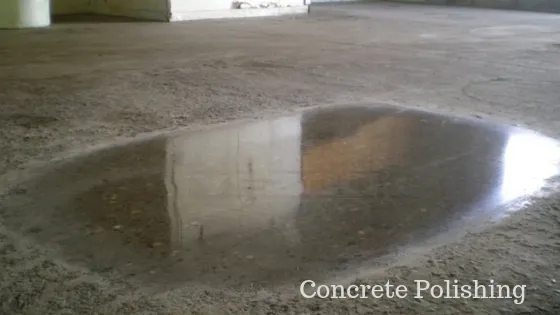
Concrete floors were once considered purely functional - an industrial necessity rather than a design choice. That perception has shifted dramatically. Polished and refined concrete is now one of the most sought-after flooring options across Melbourne’s residential, commercial, and retail spaces, valued for its durability, low maintenance requirements, and striking aesthetic versatility. If you have concrete floors that look tired, dull, or damaged, sprucing them up through professional polishing and treatment can transform the entire feel of your space.
This guide covers the genuine benefits of concrete floor polishing and maintenance, and why Total Cleaning Melbourne’s concrete polishing service is the professional solution Melbourne properties need.
Polish Your Concrete Floor for a Striking Result
In commercial spaces, exposed concrete floors are often specified from the outset as durable, long-lasting surfaces that do not require additional floor coverings. In residential settings, polished concrete is increasingly popular in living areas, kitchens, and open-plan spaces where a modern, minimal aesthetic is desired.
Through grinding and polishing, an ordinary concrete slab can be transformed into a high-gloss, reflective surface with genuine visual appeal. The polishing process works in stages - progressively finer abrasive tooling produces higher levels of surface refinement, from a satin finish to a mirror-like high gloss.
Beyond aesthetics, polished concrete has practical advantages over untreated concrete: it is denser, more resistant to surface damage, easier to clean, and less prone to dust generation - a common issue with unsealed concrete floors.
Concrete as a Stylistic Design Element
One of the most appealing qualities of polished concrete is its unique, one-of-a-kind appearance. The aggregate in concrete - the stone and mineral particles embedded in the mix - becomes visible and integral to the finished look when the surface is ground and polished. Each floor has a different aggregate distribution and colour variation, meaning no two polished concrete floors look exactly alike.
This natural variation gives polished concrete an organic, tactile quality that manufactured flooring materials cannot replicate. The subtle tonal variation and the way light plays across a polished surface give depth and interest to a floor in a way that is understated but distinctly high quality.
Polished concrete also works harmoniously with a wide range of interior styles - from raw industrial aesthetics through to refined contemporary homes - because of its neutral, natural tonal range.
Understanding Concrete Structure and the Polishing Process
Concrete floors contain stone aggregate with a maximum grain size that is typically ground away during early polishing stages. As polishing progresses to finer grades, the encased stone components become progressively more visible and contribute to the distinctive, textured appearance of the finished surface.
The density of polished concrete is a direct result of the polishing process itself. As diamond abrasives compact and refine the surface through successive grinding stages, the concrete becomes progressively harder and more resistant to penetration. This is why polished concrete is so durable - the polishing process actively improves the structural qualities of the surface, not just its appearance.
The Real Benefits of Polished Concrete Floors
Exceptional Durability and Longevity
Polished concrete is one of the most durable floor finishes available. Unlike timber, which can scratch and dent, or vinyl, which can tear and bubble, polished concrete holds up to heavy foot traffic, furniture movement, and general commercial use indefinitely when properly maintained. With appropriate care, a polished concrete floor can outlast the building it is installed in.
Low Ongoing Maintenance
Day-to-day maintenance of polished concrete is genuinely simple. Dry mopping removes surface dust and debris, and a damp mop with a pH-neutral cleaner addresses any spills or tracked-in dirt. No waxing, no re-sealing every year, no specialist products - just regular, straightforward cleaning.
This makes polished concrete an especially practical choice for commercial environments where cleaning time and labour costs are factors.
Cost-Effective Over the Long Term
The initial cost of concrete polishing may be comparable to other premium flooring options, but the ongoing costs are lower. There is no replacement timeline for properly maintained polished concrete - unlike carpet, timber, or vinyl, which all have finite lifespans. No floor coverings need to be purchased and installed on top of the slab, and maintenance costs are minimal.
Improved Surface Resistance
Once a polished concrete floor is sealed with a penetrating hardener and topical sealer, it resists staining from liquids, oils, and chemicals far better than unsealed concrete. The sealer fills the micro-pores in the surface, preventing contaminants from penetrating. This makes sealed polished concrete suitable for kitchens, garages, and commercial food service areas where spills are common.
Safety: Slip Resistance Considerations
Polished concrete can be slippery when wet, particularly at high-gloss finish levels. Professional polishers account for this by incorporating anti-slip aggregate into the finish or specifying appropriate finish levels for wet areas. This is an important consideration for commercial spaces and bathrooms where moisture is present.
Protection and Sealing: The Essential Final Step
After polishing, the concrete must be properly sealed to protect the investment and maintain the appearance. Two-component sealers are recommended for polished concrete floors - they contain a hardener that penetrates deeply into the concrete to compact and harden the surface, and a topical sealer that provides a protective layer against surface abrasion and staining.
The combination of deep penetrating hardener and surface sealer produces a floor that is maximally resistant to daily wear and easy to maintain with routine cleaning.
Frequently Asked Questions
Q: Can existing damaged or stained concrete floors be polished and restored?
In most cases, yes. Grinding removes surface damage, staining, and old coatings before polishing begins. The extent of restoration possible depends on the depth of the damage, but most concrete floors - even those that appear beyond saving - can be significantly improved through professional polishing.
Q: How long does a concrete polishing project take?
Project duration depends on the size of the area and the starting condition of the concrete. A standard residential living area might be completed in one to two days; larger commercial spaces may require several days.
Q: Can polished concrete be used in outdoor areas?
Yes, though external concrete has different requirements - it needs appropriate aggregate for slip resistance and sealers rated for UV exposure and weather. Total Cleaning Melbourne can advise on the right approach for indoor versus outdoor concrete polishing.
Transform your concrete floors with professional polishing and protection. Contact Total Cleaning Melbourne today to discuss your concrete polishing project and receive expert advice tailored to your specific space.
IICRC-certified cleaning professionals serving all Melbourne suburbs since 2014.