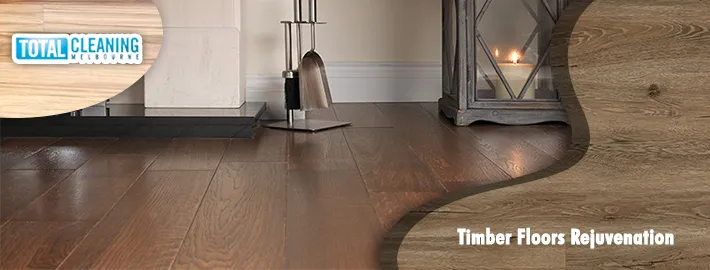
Timber floors are one of the most valued features in Melbourne homes. Whether it is original hardwood in a Victorian terrace in Fitzroy, Tasmanian oak in a 1960s brick veneer in Glen Waverley, or engineered timber in a modern apartment in Southbank, well-maintained timber flooring adds warmth, character, and value to any property.
But when your timber floors start to look tired — scratched, dull, worn, or discoloured — you are faced with a decision: do they need sanding, or will a polish bring them back to life? The answer depends on the condition of the timber and the coating on top of it. Getting this right saves you time, money, and the disruption of unnecessary work.
What Is the Difference Between Sanding and Polishing?
These two services are often confused, but they are fundamentally different processes that address different problems.
Floor Sanding
Sanding is the more intensive process. It involves using a large drum sander and edge sander to strip back the timber surface, removing the existing coating (polyurethane, lacquer, wax, or oil) along with a thin layer of the timber itself. This exposes fresh, raw timber underneath.
After sanding, the floor is then coated with a new finish — typically multiple coats of polyurethane, oil, or wax — to protect the timber and give it the desired appearance (matte, satin, or gloss).
Sanding is a significant job. It generates considerable dust (though modern dustless systems capture most of it), requires the room to be cleared of furniture, and the floor is out of action for several days while the new coating cures.
Floor Polishing (Recoating or Buffing)
Polishing — sometimes called recoating, buffing, or screening — is a lighter process. It involves lightly abrading the existing coating with a fine-grit buffer or screen to remove surface scratches and scuff marks, then applying one or two fresh coats of polyurethane or other finish on top.
Polishing does not remove timber. It works with the existing coating, refreshing and renewing it rather than stripping it back. The process is faster, less disruptive, and significantly less expensive than sanding.
Our timber floor rejuvenation service covers both sanding and polishing, and we recommend the appropriate approach based on the condition of your floor.
When Your Floor Needs Sanding
Sanding is the right choice when the existing coating has broken down to the point where a simple recoat will not produce a good result. Here are the signs:
- Deep scratches through the coating into the timber — if you can feel the scratch with your fingernail and see bare timber in the groove, sanding is needed to level the surface
- Widespread wear patterns — high-traffic areas (hallways, doorways, in front of the kitchen sink) where the coating has worn away completely, exposing grey or darkened timber
- Water damage or staining — dark marks from water spills, pet urine, or potted plants that have penetrated through the coating into the timber
- Peeling or flaking coating — when the polyurethane is peeling or lifting off the timber, a recoat will not adhere properly. The old coating needs to be fully removed
- Colour change desired — if you want to change the stain colour (for example, from a dark walnut to a natural finish), sanding back to raw timber is the only way to achieve an even result
- Previous poor repairs — if boards have been replaced, filled, or patched, sanding the whole floor creates a uniform surface
- Decades since last sanding — floors that have not been sanded in 20-30+ years often have multiple layers of old coating that have yellowed, cracked, or become brittle
When Polishing Is All You Need
Polishing is appropriate when the existing coating is still largely intact but showing signs of age. It is a maintenance service rather than a restoration:
- Surface scratches only — fine scratches in the coating (not through to the timber) from furniture movement, foot traffic, or pet claws
- General dullness — the floor has lost its sheen but the coating is not damaged or worn through
- Minor scuff marks — shoe marks, chair drag marks, and other surface-level imperfections
- Preventive maintenance — some homeowners recoat their floors every 3-5 years as a preventive measure to extend the time between full sanding jobs
- Pre-sale refresh — a polish can transform the look of a timber floor for a fraction of the cost of sanding, making it an excellent choice when preparing a property for sale
A good rule of thumb: if the coating is still bonded to the timber and protecting it, polishing will work. If the coating has broken down, worn through, or lost adhesion, sanding is needed.
Timber Types and Considerations
The type of timber in your floor affects both the sanding and polishing process. Melbourne homes feature a range of timber species, each with different characteristics:
Solid Hardwood
Species like Tasmanian oak, spotted gum, blackbutt, jarrah, and tallowwood are common in Melbourne homes built from the 1900s through to the 1990s. Solid hardwood is typically 19mm thick, which means it can be sanded multiple times over its lifetime — usually 3-5 full sanding cycles before the timber becomes too thin. These floors respond beautifully to both sanding and polishing.
Engineered Timber
Engineered timber has a thin veneer of real timber (usually 2-4mm) bonded to a plywood or fibreboard base. It is common in newer Melbourne apartments and townhouses. Engineered timber can usually be sanded once — sometimes twice if the veneer is thick enough — but must be done carefully to avoid sanding through the veneer. Polishing is the safer and more common maintenance option for engineered floors.
Bamboo
Bamboo flooring has grown in popularity in Melbourne over the past decade. It is technically a grass, not a timber, and it behaves differently under a sander. Strand-woven bamboo is very hard and can be sanded, though it requires specific techniques. Standard bamboo flooring is softer and more prone to unevenness if sanded incorrectly. Polishing is generally the recommended maintenance approach for bamboo.
Parquetry
Parquetry floors — small timber blocks arranged in geometric patterns — are found in many older Melbourne homes, particularly those built in the 1950s-1970s. They can be sanded and polished, but the process requires extra care around the block edges to avoid lifting individual pieces. The result, when done well, is stunning.
Cost Comparison: Sanding vs Polishing
One of the biggest practical differences between sanding and polishing is cost. While exact pricing depends on the floor area, timber type, condition, and chosen finish, here is a general comparison:
| Factor | Sanding | Polishing |
|---|---|---|
| Labour intensity | High — multiple passes with progressively finer grits | Low — single light abrasion pass |
| Equipment | Drum sander, edge sander, buffer, dust extraction | Buffer/screen only |
| Coats of finish | 3-4 coats (sealer + topcoats) | 1-2 topcoats |
| Drying/curing time | 3-5 days before furniture can return | 1-2 days |
| Disruption level | High — room must be fully cleared | Moderate — furniture moved but less dust |
| Relative cost | Higher (2-3x polishing) | Lower |
| How often needed | Every 10-20 years | Every 3-7 years |
For homeowners on a budget, regular polishing every few years can extend the time between expensive sanding jobs by decades. Think of it as servicing your floors the same way you service your car — regular maintenance prevents costly major repairs.
Melbourne Homes and Timber Flooring Trends
Timber flooring preferences in Melbourne have shifted over the years:
- Victorian and Edwardian homes (inner suburbs like Carlton, Fitzroy, Northcote, Brunswick) — often have original Baltic pine or Australian hardwood under carpet or vinyl. Uncovering, sanding, and finishing these floors is one of the most rewarding renovation projects
- Post-war brick veneers (eastern and south-eastern suburbs like Glen Waverley, Doncaster, Ringwood) — typically Tasmanian oak strip flooring, often in very good condition beneath carpet
- 1990s-2000s homes — many feature hardwood or engineered timber as the primary flooring. These floors are now reaching the age where they benefit from their first polish or sand
- New builds and apartments — engineered timber and bamboo are the dominant choices. These floors benefit from regular polishing to maintain their appearance
If you also have vinyl flooring in areas like the kitchen or laundry, our vinyl floor buffing and polishing service can be done at the same time as your timber floor work for a consistent finish throughout the home.
How to Tell What Your Floor Needs
Here is a simple test you can do at home:
- Choose a high-traffic area of the floor (hallway or kitchen entry)
- Run your finger firmly across the surface. If you feel a smooth, consistent coating, polishing is likely sufficient
- Look at the surface at a low angle with light reflecting off it. If you see bare timber patches, grey areas, or spots where the coating has completely worn away, sanding is needed
- Drip a small amount of water on the surface. If it beads up and sits on top, the coating is still intact. If it soaks in quickly, the coating has failed and sanding is required
If you are unsure, a professional inspection takes the guesswork out of it. Our team can assess your timber floors and recommend the right approach.
Frequently Asked Questions
How often do timber floors need sanding in Melbourne?
Most solid hardwood floors need full sanding every 10 to 20 years, depending on traffic levels, the quality of the existing finish, and how well the floor has been maintained. Floors in low-traffic rooms (bedrooms, studies) may go 20+ years between sanding. Hallways and living areas with heavy foot traffic may need attention sooner. Regular polishing every 3-5 years extends the time between sanding jobs significantly.
Can engineered timber floors be sanded?
Most engineered timber floors can be sanded once, and sometimes twice, depending on the thickness of the timber veneer layer. A typical engineered floor has a 2-4mm veneer, and sanding removes approximately 0.5-1mm per cycle. It is critical that the operator knows the exact veneer thickness before starting, as sanding through to the plywood base ruins the floor. Polishing is the safer and more commonly recommended maintenance option for engineered timber.
Is it worth polishing timber floors before selling a Melbourne home?
Absolutely. A freshly polished timber floor is one of the most cost-effective improvements you can make before selling. It transforms the look of a room, creates a strong first impression at open inspections, and signals to buyers that the home has been well maintained. Buyers in Melbourne place a high value on timber flooring, and a polished floor photographs beautifully for online listings. The cost of a professional polish is modest compared to the lift it gives the overall presentation of the property.
Need professional cleaning help?
Our IICRC-certified team services all Melbourne suburbs. Get a free, no-obligation quote today.
IICRC-certified cleaning professionals serving all Melbourne suburbs since 2014.