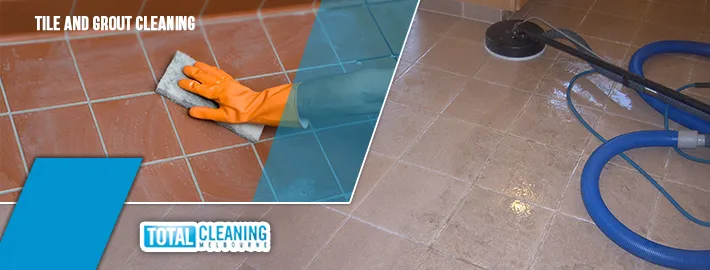
Tiles have been a popular choice for Melbourne kitchens, bathrooms, laundries, and living areas for decades - and with good reason. They are durable, hygienic, and available in an enormous range of styles and finishes. But whether you are maintaining existing tile surfaces or dealing with the aftermath of a renovation or construction project, keeping tiles and grout clean requires more than just a mop and bucket. Understanding the right approach - and knowing when to call professionals - makes the difference between surfaces that sparkle and surfaces that look perpetually dull and grubby.
Why Tile and Grout Cleaning Is a Genuine Health Consideration
Using the right materials and methods for tile and grout cleaning is not just about aesthetics. Grout is a porous material that traps dirt, bacteria, mould, and mildew within its microscopic structure. In moisture-rich environments like bathrooms, showers, and kitchen splashbacks, mould and mildew growth within grout lines is not just unsightly - it poses a genuine health risk, particularly for children, elderly household members, and anyone with respiratory sensitivities.
Regular cleaning prevents the progressive contamination of grout that, if left unchecked, eventually leads to deep discolouration that no amount of surface scrubbing will address. The earlier cleaning and sealing is approached as routine maintenance, the easier and less costly the work is to perform.
In kitchen areas specifically, grease and oil vapours from cooking settle on both tile surfaces and grout lines. Combined with moisture and food particles, this creates conditions where bacteria thrive. Regular professional tile and grout cleaning and sealing eliminates these contaminants and supports a genuinely hygienic cooking environment.
The Dos and Don’ts of Tile and Grout Cleaning
Understanding what to use - and what to avoid - saves your tile surfaces from accidental damage:
Do:
- Use pH-neutral cleaning products specifically formulated for tiles and grout
- Rinse surfaces thoroughly after cleaning to remove all product residue
- Clean grout lines with a soft-bristled brush to work cleaner into the pores
- Ensure adequate ventilation when cleaning enclosed areas like showers
- Apply a penetrating grout sealer after deep cleaning to slow re-soiling
Don’t:
- Use acidic cleaners (such as vinegar or citrus-based products) on natural stone tiles - they etch and damage the surface
- Use bleach regularly on coloured grout - it causes fading and grout brittleness over time
- Use steel wool or abrasive scouring pads on glazed tiles - these cause permanent scratching
- Allow water to pool on grout lines in areas prone to moisture
- Use steam mops on certain natural stone surfaces without checking the manufacturer’s specifications
A common mistake is treating all tile types as identical. Ceramic, porcelain, natural stone (marble, travertine, slate), and encaustic tiles all have different characteristics and different care requirements. A professional tile and grout cleaning assessment identifies your tile type and selects appropriate methods and products accordingly.
Adding New Sealant: Essential Grout Protection
Grout is inherently porous - it readily absorbs water, oils, and staining compounds unless it is properly sealed. New grout should be sealed after initial installation once it has fully cured, and resealing should occur periodically as the original sealer wears away through regular cleaning and foot traffic.
A quality penetrating sealer soaks into the grout pores and forms a barrier that repels water and staining compounds. This does not make grout completely stain-proof, but it significantly slows the penetration of contaminants and makes routine cleaning far more effective.
The key requirement before resealing is that the grout is thoroughly cleaned first. Sealing over contaminated grout simply locks the dirt in permanently. Professional cleaning to remove all embedded grime is always the first step before any sealant is applied.
Post-Construction and Renovation Cleaning
After any renovation or construction project in a Melbourne home, tile surfaces require specialised attention. Construction creates particular cleaning challenges:
- Grout haze: After tiling work, a thin residue of grout film often covers the surrounding tile surface. This haze must be removed with the correct technique and product to avoid scratching tile glazing or etching natural stone. The window for effective haze removal is relatively short - it becomes much harder to address as grout cures.
- Construction dust: Fine dust from cutting, drilling, and sanding settles on every horizontal surface and penetrates grout lines. Standard mopping redistributes this dust rather than removing it.
- Adhesive and sealant residue: Excess adhesive, silicone, or caulking sometimes lands on adjacent tile surfaces and requires targeted removal.
Total Cleaning Melbourne’s tile and grout cleaning team has extensive experience in post-construction cleaning across Melbourne and understands the specific challenges that renovation projects create.
FAQ
Q: How do I know if my grout needs professional cleaning or just regular home maintenance?
If regular mopping and scrubbing is no longer improving the appearance of your grout, or if grout lines have developed patchy discolouration that persists despite cleaning, professional treatment is likely necessary. Other indicators include persistent mould in shower grout, a musty smell from tiled areas, or grout that appears grey or brown despite being originally white or light-coloured.
Q: Can professional cleaning restore grout to its original colour?
In most cases, yes - professional hot water extraction and specialist pre-treatment can restore significantly discoloured grout to close to its original colour. Extremely deep staining or physical damage to the grout structure may require regrouting rather than cleaning alone. A professional assessment before work begins gives you a realistic expectation of achievable results.
Q: How often should tile and grout be professionally cleaned in a Melbourne home?
For busy family bathrooms and kitchens, professional tile and grout cleaning every 12 to 24 months is recommended, depending on usage and the quality of routine maintenance. Sealing grout after each professional clean extends the interval between deep cleans significantly. High-traffic commercial tile surfaces may require more frequent attention.
Total Cleaning Melbourne provides professional tile and grout cleaning and sealing services across Melbourne homes, restoring surfaces to their best condition and protecting them for longer. Contact us today to book an assessment and cleaning service.
IICRC-certified cleaning professionals serving all Melbourne suburbs since 2014.