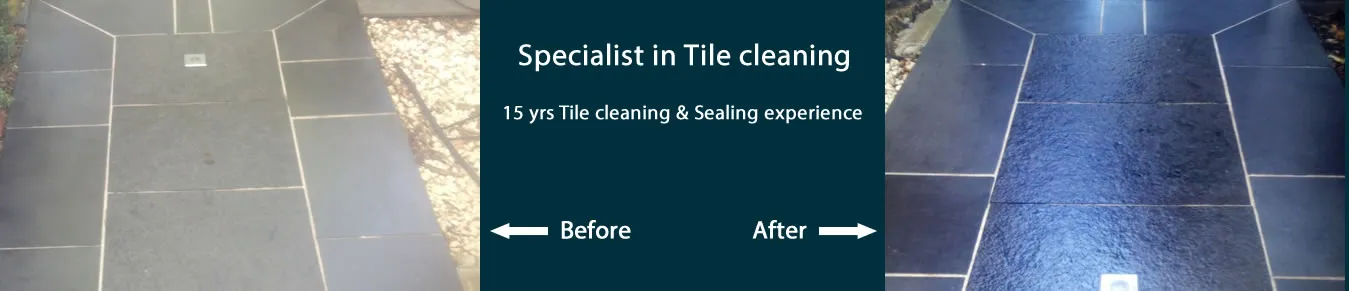
Tiles are one of the most popular flooring and wall surface choices in Melbourne homes - particularly in bathrooms, kitchens, and laundries. They look clean and fresh when new, but without proper maintenance, grout lines quickly become discoloured, and even regular mopping cannot fully restore them. One of the most effective - and underused - strategies for keeping tiles looking their best is grout sealing.
This guide covers what grout sealers are, the different types available, when to apply them, and how they work alongside professional tile and grout cleaning services to keep your floors and walls in excellent condition.
Why Tile and Grout Maintenance Matters
A clean, well-maintained tiled surface does two important things: it looks beautiful, and it keeps the surrounding environment hygienic. This is particularly important in bathrooms and kitchens, where moisture, food residue, and bacteria are constantly present.
Grout is the porous material that fills the joints between tiles. Because it is porous, it absorbs everything that comes into contact with it - water, cooking oils, cleaning products, dirt, and biological material. Without sealing, grout becomes progressively darker over time as absorbed contaminants stain the material from within.
Regular mopping removes surface dirt but cannot extract what has already been absorbed into the grout. This is why even diligent cleaning routines often fail to keep grout looking consistently clean - the problem is beneath the surface.
The solution involves two steps: professional cleaning to remove what has already accumulated, followed by sealing to prevent new contamination from penetrating.
What Is a Grout Sealer?
A grout sealer is a liquid coating that is applied to cleaned grout lines to create a protective barrier against moisture, dirt, staining, and bacteria. Once applied and cured, it fills the microscopic pores in the grout, preventing liquids and contaminants from penetrating beneath the surface.
The result is a grout line that stays cleaner for longer, wipes clean more easily, and resists the discolouration that is otherwise inevitable with regular use.
Grout sealers are available in clear formulations that do not change the appearance of the grout, as well as in versions that provide a glossy or matte finish. Some high-end sealers also provide additional antimicrobial properties.
Types of Grout Sealer Available
Silicone-Based Sealers
Silicone sealers are specifically formulated for high-humidity environments such as showers, bathrooms, and pool surrounds. They provide excellent water resistance and are available in both spray-on and brush-applied formulations. Most silicone sealers produce a clear or near-clear finish that does not alter the appearance of the grout.
Silicone sealers are particularly effective in shower enclosures and wet areas where constant moisture exposure would quickly degrade less robust products.
Polyurethane-Based Sealers
Polyurethane sealers share many properties with silicone variants - they produce a clear finish and provide effective moisture resistance. However, polyurethane sealers are more versatile and can be used across a wider range of applications, including floor tiles in high-traffic areas.
While silicone is generally the preferred choice for wet areas such as shower walls, polyurethane is often used for kitchen floors, laundry tiles, and general bathroom floor applications.
Both types of sealer should be applied only after the grout has been thoroughly cleaned and is completely dry - applying a sealer over dirty or damp grout locks in the contamination and produces poor results.
When Is the Right Time to Apply Grout Sealer?
After New Tile Installation
When new tiles are installed, the grout should cure for approximately 48 to 72 hours before being sealed. Ensure the grout surface has not been exposed to water during this period, as moisture interferes with the sealing process.
New grout that is sealed promptly after installation starts its life protected - meaning it will stay cleaner and require less intensive maintenance from the very beginning.
After Professional Cleaning
If your existing grout has become significantly stained or discoloured, the most effective approach is to have it professionally cleaned first, then sealed. Professional tile and grout cleaning removes the deeply embedded contaminants that sealing alone cannot address. Applying sealer over clean grout then creates the protective barrier on a clean foundation.
Trying to seal dirty grout seals in the stains rather than fixing them - which is why cleaning first is always the right order of operations.
Resealing on a Regular Schedule
Grout sealers do not last forever. Depending on the product and the level of use the surface receives, a resealing every two to three years is typically recommended. In high-traffic bathroom or kitchen floors, annual resealing may be appropriate.
A simple water test indicates whether sealing is still effective: drop a small amount of water onto the grout. If it beads up, the sealer is still working. If it soaks in quickly, the sealer has worn off and reapplication is needed.
FAQ
Q: Can I seal grout myself, or should I hire a professional?
Consumer-grade grout sealers are available at hardware stores and can be applied by homeowners for straightforward applications. However, for large areas, natural stone tiles, or after a professional clean, having a professional apply the sealer ensures consistent coverage and correct product selection for your specific tile and grout type.
Q: Does grout sealer prevent mould entirely?
Sealing grout significantly reduces the risk of mould growth by preventing moisture from penetrating the grout. However, it does not make grout completely mould-proof. Adequate ventilation - particularly in bathrooms and shower areas - remains essential. If mould is already present, it must be treated and removed before sealing.
Q: How do I know what type of sealer is right for my tiles?
The appropriate sealer depends on the type of tile (ceramic, porcelain, natural stone), the location (wet area, floor, wall), and the grout type. Natural stone tiles such as marble, travertine, or slate require sealers specifically designed for porous stone surfaces - standard grout sealers may not be appropriate. Total Cleaning Melbourne’s tile cleaning team can advise on the correct product for your specific installation.
Protect Your Investment With Professional Tile Care
Clean, well-sealed tile and grout transforms the look of any bathroom, kitchen, or tiled floor in your Melbourne home. Total Cleaning Melbourne provides comprehensive tile and grout cleaning and sealing services, delivered by experienced professionals who know the right products and techniques for every surface type.
Contact us today to arrange a professional tile cleaning and sealing service for your home.
IICRC-certified cleaning professionals serving all Melbourne suburbs since 2014.