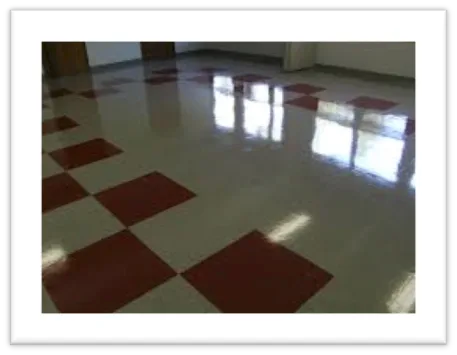
Vinyl flooring is one of the most popular and practical choices in Melbourne homes - affordable, water-resistant, and easy to maintain. When scratches appear, the natural question is whether you can polish them away and restore the floor’s original finish. The honest answer is: in many cases, yes. Light to moderate scratches can be improved or effectively eliminated with the right approach. Deeper gouges are more challenging, but there are still options short of full replacement.
This comprehensive guide walks you through everything you need to know about polishing vinyl floors - from assessing the damage through to applying the right product and maintaining your results.
Understanding Vinyl Flooring and How Scratches Form
Vinyl flooring comes in several formats - Luxury Vinyl Plank (LVP), Luxury Vinyl Tile (LVT), and traditional sheet vinyl. Each has a protective wear layer on the surface that determines how resistant the floor is to scratching. Thicker wear layers (measured in thousandths of an inch, or mils) are more resistant; thinner layers scratch more easily.
Scratches typically form through:
- Heavy furniture being dragged across the floor
- Abrasive grit from footwear being ground against the surface
- Sharp objects dropped onto the floor
- Abrasive cleaning tools used during routine maintenance
The depth of the scratch determines what level of treatment is possible. Shallow surface scratches that have not penetrated the wear layer are the most amenable to polishing. Scratches that have cut through the wear layer into the vinyl substrate below are more challenging and may require filler or panel replacement.
Assessing the Scratches Before You Start
Before investing time and product in polishing, assess the scratches honestly:
- Run a fingernail across the scratch. If it catches in a groove, the scratch is deeper than the surface and may need filler rather than polishing alone.
- Clean the area first. Dirt and grime can make scratches look more severe than they are. Clean the area thoroughly and reassess once dry.
- Look at the scratch in raking light - light at a low angle to the floor surface - to judge depth and extent more accurately.
Set realistic expectations. Polishing is not a perfect solution for deep scratches, but even deep scratches can be made significantly less noticeable with the right approach.
Preparing the Surface for Polishing
Preparation is the most important step and the one most often skipped. Polishing over an unclean surface pushes grit into the vinyl and can cause new scratches in the polishing process itself.
- Sweep or vacuum thoroughly with a soft-bristle attachment to remove all loose debris.
- Mop with a vinyl-safe cleaner - a mild, pH-neutral floor cleaner diluted in warm water works well. Avoid acidic or abrasive cleaners.
- Rinse with clean water and allow the floor to dry completely before proceeding.
- Spot test your chosen polishing product in a concealed area - under a piece of furniture, inside a cupboard, or in a corner. Apply, allow to dry, and check for any adverse reaction before treating visible areas.
- Protect adjacent surfaces if working near skirting boards or walls.
Choosing the Right Polishing Product
Not all floor polishes are suitable for vinyl. Key considerations:
- Vinyl-specific floor polish or sealer. Look for products labelled for use on luxury vinyl plank, LVT, or no-wax vinyl floors. These are formulated to bond with vinyl surfaces and provide a protective gloss layer.
- Self-polishing formulas. These products create a gloss finish as they dry and buff to a shine with minimal effort. They can also fill minor surface imperfections, reducing the visibility of fine scratches.
- Low- or no-wax options. Traditional wax-based polishes are not suitable for modern no-wax vinyl - they build up a cloudy, hard-to-remove residue. Choose low-wax or wax-free formulas.
- Avoid products not designed for vinyl. Hardwood floor polish, tile sealers, and solvent-based products can damage vinyl surfaces.
For professional-grade vinyl floor buffing and polishing in Melbourne, Total Cleaning Melbourne uses commercial products and equipment that deliver a consistently high-quality finish.
Polishing Techniques for Vinyl Floors
For small areas and individual scratches: Use a clean, soft microfibre cloth. Apply a small amount of polish to the cloth (not directly to the floor) and work it into the scratch in small circular motions. Allow to dry as directed, then buff with a clean, dry microfibre cloth.
For larger areas: Apply the polish in thin, even sections - pour a small amount onto the floor and spread with a clean microfibre mop, working in the direction of the plank or tile lines rather than across them. Avoid applying too much product at once; multiple thin coats produce better results than a single heavy application. Allow each coat to dry fully before applying the next.
For buffing: Once the product has dried to the specified time, buff the surface with a clean pad or mop head to bring up the gloss. This step also reveals any areas where the product has pooled or dried unevenly, allowing you to address them before they harden.
Alternative Approaches for Deeper Scratches
When polishing alone is insufficient:
Vinyl floor filler: Purpose-made vinyl floor filler compounds can be used to fill deeper scratches before polishing. Choose a colour-matched product that blends with your floor. Apply sparingly, level with a plastic spreader, and allow to cure fully before sanding lightly and applying polish over the top.
Re-coating: For floors where scratches are widespread, a professional re-coating service applies a fresh protective layer over the entire floor surface, effectively resetting the wear layer. This is more cost-effective than replacement and provides a uniform result.
Plank or tile replacement: For LVP and LVT formats, individual damaged planks or tiles can often be replaced without disturbing the surrounding floor. This is the most effective solution for severe, concentrated damage.
Preventing Future Scratches
Protecting your vinyl floor investment is simpler than repairing damage:
- Fit felt pads to all furniture legs - even furniture that is not moved frequently benefits from felt pads, as small daily adjustments can cause micro-scratches.
- Use a soft-bristle broom or vacuum with a hard floor setting - beater bar vacuums can scratch vinyl.
- Place entry mats at all external doors to capture grit before it reaches the floor.
- Avoid dragging heavy objects across vinyl - use a furniture dolly or protective moving pads.
- Clean spills promptly and avoid leaving standing water on vinyl for extended periods.
Frequently Asked Questions
Q: Can I use coconut oil or olive oil to fix scratches on vinyl flooring?
These natural oils are sometimes suggested as DIY scratch treatments, but they are not recommended for vinyl flooring. They can leave a greasy residue that attracts dirt and can degrade the appearance of the floor over time. Use products specifically formulated for vinyl instead.
Q: How long does vinyl floor polish take to dry?
Most vinyl-specific polishes dry to touch within 30 to 60 minutes and reach full hardness within two to four hours. Avoid walking on the polished area during the drying process and leave furniture off the floor for at least 24 hours.
Q: Can professional buffing restore very scratched vinyl floors?
Professional buffing and re-coating can significantly improve the appearance of scratched vinyl floors, even when individual scratch treatment is no longer practical. Total Cleaning Melbourne’s vinyl floor buffing and polishing service can restore floors that appear beyond saving, extending their life and avoiding the cost of early replacement.
For professional vinyl floor care across Melbourne, contact Total Cleaning Melbourne today and let our experienced team restore the gloss and appearance of your floors.
IICRC-certified cleaning professionals serving all Melbourne suburbs since 2014.