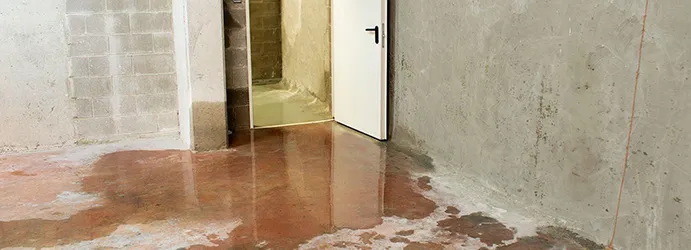
Water damage can be a homeowner’s worst nightmare. When water seeps into walls, floors, or foundations - whether from heavy Melbourne rainfall, a burst pipe, a blocked drain, or an overflowing appliance - it can compromise structural integrity, invite mould growth, and devalue a property in ways that extend well beyond the visible damage. The good news is that with prompt action, a professional assessment, and a clear remediation plan, water damage in a house can often be repaired and the home fully restored.
This article covers the key steps, the remediation process, insurance considerations, and how to select the right flood damage Melbourne contractor.
Common Causes of Water Damage in Melbourne Homes
Melbourne’s climate and housing stock create several common scenarios for residential water damage:
Burst pipes during cold snaps. Melbourne’s winter temperatures occasionally drop low enough to cause water pipes - particularly older copper and galvanised steel pipes in exposed locations like subfloors and external walls - to contract and crack. When the temperature rises again, the resulting leak can go undetected for hours, flooding wall cavities and subfloor spaces before anyone notices.
Storm flooding and heavy rainfall. Melbourne is no stranger to intense storm events, particularly during spring and summer. Flash flooding overwhelms drainage systems, sending water into garages, ground-floor rooms, and basements. Properties in low-lying areas or those with inadequate stormwater drainage are particularly vulnerable.
Leaking roofs and gutters. Blocked gutters, cracked roof tiles, and deteriorated flashing allow rainwater to enter ceiling cavities during heavy rain. The damage often goes unnoticed until water stains appear on ceilings or walls - by which time significant moisture has accumulated in the building structure.
Appliance failures. Washing machine hoses, dishwasher connections, hot water systems, and refrigerator water lines are all common failure points. A burst washing machine hose in a laundry on an upper level can cause extensive damage to rooms below within minutes.
For urgent flood damage in Melbourne, call our emergency line on 0448 888 165 - available 24 hours a day, 7 days a week.
Understanding the Scope of Water Damage
Water damage is rarely limited to the surface that is visibly wet. It travels through building materials - down through timber flooring into joists, through plasterboard into wall cavities, under carpets into subfloors - and the extent of the actual damage is often considerably larger than the visible wet area.
Water damage can affect:
- Structural elements: timber studs, floor joists, subfloors, and in severe cases, foundations
- Building envelope materials: insulation, plasterboard, ceiling tiles, external cladding
- Floor coverings: carpet, hardwood, laminate, and vinyl
- Electrical systems: outlets, switches, and wiring - a genuine safety hazard if moisture is present near electrical components
- Indoor air quality: through mould growth and musty odour development if moisture is not removed quickly
Early professional assessment using moisture meters and thermal imaging cameras identifies hidden moisture that is invisible to the eye. This is essential - missed moisture leads to mould growth that may not become apparent for weeks, by which point the remediation challenge is significantly greater.
Immediate Steps You Can Take
If you encounter water damage in your home, quick action minimises losses and reduces the long-term impact:
- Ensure safety first. Switch off power at the circuit breaker if you suspect water is near electrical outlets, wiring, or appliances. Do not re-enter flooded areas with electricity until a licensed electrician has confirmed it is safe.
- Stop the water source. If safe to do so, turn off the main water supply to prevent continued inflow. For roof or storm water ingress, temporary covering or diversion may be possible.
- Document the damage. Take photographs and video of all affected areas before any cleaning or remediation begins. This documentation is essential for insurance claims.
- Contact your insurer. Notify your home and contents insurer promptly. Follow their instructions regarding approved contractors and documentation requirements to protect your claim.
- Begin basic drying. Open windows and doors where safe to do so, and use any fans or portable dehumidifiers available to begin reducing moisture levels - particularly in unaffected adjacent rooms.
- Contact a professional restoration company. Total Cleaning Melbourne provides flood and water damage restoration services with rapid response across Melbourne. Early professional involvement achieves significantly better outcomes than delayed action.
The Professional Remediation Process
Professional water damage restoration follows a staged, systematic approach:
1. Assessment and Moisture Mapping
Certified technicians use moisture meters, hygrometers, and in some cases thermal imaging cameras to map the full extent of moisture - including hidden moisture in wall cavities, subfloors, and ceiling spaces. This assessment determines the remediation scope and informs the drying plan.
2. Water Extraction
High-powered pumps and wet vacuums remove standing water and as much free moisture as possible from flooring, carpets, and other porous materials. Removing water as quickly as possible is the single most important factor in limiting secondary damage.
3. Drying and Dehumidification
Industrial-grade dehumidifiers and high-velocity air movers are positioned throughout the affected area to draw moisture from building materials and maintain it below mould-growth thresholds. This process typically takes several days and is monitored throughout using moisture meters to confirm progress.
4. Cleaning and Sanitising
After drying, surfaces are cleaned and sanitised. Odour control treatments are applied to prevent the musty smells that often develop from water damage. For areas where mould growth has begun, appropriate mould remediation treatments are applied.
5. Repair and Restoration
The final stage involves replacing damaged building materials - plasterboard, insulation, floor coverings, and skirting boards - and restoring the affected areas to their pre-damage condition. This phase may involve trades beyond cleaning, including plastering, painting, and flooring replacement.
When Electrical and Structural Concerns Require Specialists
Water and electricity are a dangerous combination. If you notice burnt smells, tripping circuit breakers, sparking outlets, or if water has entered an electrical panel, leave the area immediately and call a licensed electrician before re-entering. Do not assume electricity is safe near water-damaged areas without a professional inspection.
For mould growth - particularly black mould - specialist mould remediation contractors should be engaged. Disturbing mould without appropriate containment and personal protective equipment can spread spores throughout the property, significantly worsening indoor air quality.
Insurance Considerations
Water damage insurance claims in Australia can be complex. Key points to understand:
- Document everything. Photograph and inventory all damage before any cleaning or remediation begins. Keep receipts for any emergency purchases - dehumidifier hire, hotel accommodation if displaced, etc.
- Understand your policy. Many standard home policies cover sudden and accidental water damage (such as a burst pipe) but may not cover gradual leaks, flooding from natural events, or damage that could have been prevented with reasonable maintenance. Check your specific policy coverage.
- Use insurer-approved contractors where required. Some insurers have preferred contractor panels. Confirm with your insurer before engaging restoration services to ensure costs will be covered.
- Act within required timeframes. Insurers typically require prompt reporting and action. Delays can complicate claims, particularly if additional damage results from inaction.
Choosing a Flood Damage Melbourne Contractor
Selecting the right contractor for flood damage remediation is a decision worth taking seriously. Look for:
- Certification in water damage restoration. IICRC certification (Institute of Inspection, Cleaning, and Restoration Certification) is the relevant professional standard in Australia.
- Transparency in scope and pricing. A reputable contractor will provide a clear written scope of work and pricing before commencing.
- References and documented experience with Melbourne properties and climate conditions.
- Proper insurance and licensing - request confirmation before agreeing to any work.
- Mould prevention protocols - ask specifically how the company prevents mould development during drying.
Frequently Asked Questions
Q: How quickly does mould develop after water damage?
Mould can begin to develop on wet building materials within 24 to 48 hours under favourable conditions. This is why rapid professional response is critical - the sooner extraction and drying begins, the lower the risk of mould becoming a secondary problem.
Q: Can water-damaged carpet be saved?
Carpet that has been wet for fewer than 24 to 48 hours and has not developed mould can often be successfully dried, cleaned, and restored. Carpet wet for longer, or carpet showing mould growth, dark staining, or structural damage, typically needs replacement. Professional assessment determines which approach is appropriate.
Q: What is the difference between water damage restoration and general cleaning?
Water damage restoration is a specialist discipline focused on safely and thoroughly removing moisture from building structures and materials, preventing mould, and restoring the property to a habitable condition. It requires specialist equipment - industrial dehumidifiers, air movers, moisture measurement tools - and expertise in building science that goes well beyond general cleaning capability.
Cost Expectations for Water Damage Restoration
The cost of water damage restoration depends on the extent of the damage, the number of rooms affected, the type of materials involved, and how quickly professional drying began. Total Cleaning Melbourne provides a clear quote after the initial assessment, so you know what to expect before work proceeds. For properties where equipment needs to remain on site for extended drying, we also offer flood equipment rental as a cost-effective option for ongoing moisture management.
For rapid, professional flood and water damage restoration across Melbourne, contact Total Cleaning Melbourne today. Our experienced team responds quickly to water damage events and follows a thorough, systematic remediation process that returns your home to its best condition.
For specialist flood restoration services including emergency wet carpet drying, burst pipe response, and insurance claim assistance, visit our dedicated flood division at Total Flood Damage Melbourne.
IICRC-certified cleaning professionals serving all Melbourne suburbs since 2014.