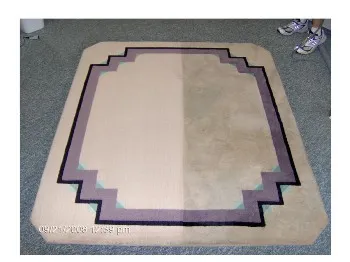
For Melbourne allergy sufferers, the carpet underfoot is often a significant - and underestimated - source of the symptoms that disrupt daily life. Dust mites, pet dander, pollen, mould spores, and a range of other airborne irritants settle into carpet fibres where they accumulate over time, creating a persistent reservoir of allergens that regular household activity stirs back into the breathing zone. Can your vacuum cleaner solve this problem?
The honest answer is: partially. A vacuum cleaner is a genuinely valuable tool for allergen management, but only if it has the right features - and even the best vacuum cannot replace periodic professional cleaning for truly effective allergen control in Melbourne homes with carpets and rugs.
How Carpets Contribute to Allergy Symptoms
Carpets are exceptional particle traps. Their construction - thousands of fibres forming a dense, textured surface - captures dust, pollen, dander, and debris that would otherwise remain airborne or settle on hard surfaces where they are more easily disturbed. In some ways this is beneficial: captured particles are not floating in the air you breathe. But without adequate removal, those same particles accumulate to levels that cause ongoing allergic reactions.
Dust mites are the primary concern for most allergy sufferers. These microscopic organisms thrive in warm, humid environments with access to their food source - shed human skin cells, which are present in enormous quantities in any occupied home. A single gram of carpet dust can contain hundreds of live dust mites and thousands of their waste particles, both of which are potent allergens. Melbourne’s warm summers and relatively mild winters create year-round conditions suitable for dust mite activity.
Regular vacuuming with a suitable machine removes surface accumulation and slows the build-up process. But without the right vacuum, you may actually be making the problem worse by stirring allergens into the air rather than removing them.
How to Choose the Right Vacuum Cleaner for Allergies
Not all vacuum cleaners are appropriate for allergy management. The features that matter most are filtration quality, seal integrity, suction power, and compatibility with your carpet type.
HEPA Filtration
HEPA stands for High-Efficiency Particulate Air. A true HEPA filter captures at least 99.97% of particles as small as 0.3 microns - well below the size of dust mite allergens, pollen particles, and most mould spores. Without a HEPA filter, smaller particles that enter the vacuum can pass straight through the filtration system and be exhausted back into the room, actually concentrating allergens in the air during vacuuming.
When purchasing a vacuum cleaner, look for one with a certified HEPA filter - not simply a filter labelled “HEPA-type” or “HEPA-like,” which may not meet the same standard. Follow the manufacturer’s schedule for cleaning or replacing the filter; a clogged HEPA filter loses efficiency rapidly.
Anti-Allergen Seals
A HEPA filter alone is not sufficient if the vacuum cleaner’s body allows air to bypass the filtration system through gaps around seals and joins. Anti-allergen seals keep the internal air path completely contained, ensuring all vacuumed air passes through the HEPA filter before being exhausted. Both features - the filter and the seal - are required for genuinely allergen-friendly vacuuming.
When evaluating a vacuum for allergy suitability, look for sealed systems that carry certification from recognised allergy bodies. In Australia, the National Asthma Council’s Sensitive Choice programme endorses products that meet specific criteria for asthma and allergy sufferers.
Low Emissions and Quality Construction
The emissions rating of a vacuum cleaner reflects how much particulate matter is exhausted into the room during operation. Lower emissions mean fewer allergens being released back into the air as you clean. High-quality construction with tight-fitting components minimises the leakage that undermines filtration performance.
Appropriate Suction for Your Carpet Type
Strong suction is essential for effective allergen removal from carpet, but suction power should be matched to the carpet pile height. Carpet that is too thick for the vacuum’s adjustment range will not be cleaned effectively. Conversely, excessive suction on a delicate loop pile carpet can damage the fibre construction. Adjustable suction settings provide versatility across different carpet types in different rooms.
How Often Should You Vacuum for Allergy Control?
For effective allergen management in Melbourne homes with allergy sufferers, vacuuming frequency matters as much as technique.
- High-traffic and living areas: At least twice per week
- Bedrooms: At least twice per week, paying particular attention to areas around and beneath the bed
- Hallways and entry areas: Three times per week, as these accumulate outdoor allergens rapidly
- Low-traffic areas: Once per week
Vacuuming technique also matters. Make overlapping passes in multiple directions to lift fibres and dislodge embedded particles. Work slowly enough to allow the suction to do its job - moving too fast over the carpet surface reduces effectiveness significantly.
The Limits of Vacuuming - When Professional Cleaning Is Needed
Even with the best vacuum cleaner used consistently and correctly, there are allergens and contaminants that regular vacuuming simply cannot remove. Deep within the carpet pile, in the backing material, and in any underlay, dust mite populations can thrive beyond the reach of domestic vacuum suction. Mould spores in carpet backing from previous moisture exposure, old stains harbouring bacteria, and embedded pet dander are similarly inaccessible to vacuum cleaners.
This is where professional carpet cleaning delivers value that no vacuum can replicate. Professional carpet steam cleaning in Melbourne uses hot water extraction at temperatures that kill dust mites on contact - including those deep within the pile - while the powerful extraction removes their remains and associated allergens from every layer of the carpet. When sanitiser is included in the cleaning process, bacterial contamination is also addressed comprehensively.
Industry research indicates that professional hot water extraction carpet cleaning with appropriate sanitiser reduces airborne allergen levels by up to 89% - a result that domestic vacuuming, regardless of how often or how well performed, cannot approach.
The practical recommendation for Melbourne allergy sufferers is a combined approach: vacuum consistently with a HEPA-filtered machine two to three times per week, and schedule professional carpet and rug steam cleaning at least once every six to twelve months. For households with severe allergies, pets, or young children, more frequent professional cleaning is warranted.
Professional rug and mattress steam cleaning addresses the soft surfaces most likely to harbour allergen concentrations, delivering a measurable improvement in indoor air quality for everyone in the home.
Additional Allergen Reduction Strategies
Vacuuming and professional carpet cleaning are the two most impactful interventions for carpet-related allergens, but additional measures help maintain lower allergen levels between professional cleans:
- Dust mite covers on mattresses and pillows reduce the mite population in the bedroom - typically the room where allergy sufferers spend the most time
- Regular washing of bedding in hot water (60°C or above) kills dust mites that vacuum cleaners cannot reach
- Maintaining indoor humidity below 50% makes the environment less hospitable to dust mite reproduction
- Air purifiers with HEPA filters in key rooms capture airborne particles that vacuuming stirs up
- No-shoes policies reduce the load of pollen and outdoor allergens being introduced to carpeted areas
FAQ: Vacuum Cleaners and Carpet Allergens in Melbourne
Does vacuuming actually help with allergies or just spread allergens? Vacuuming with a properly sealed HEPA vacuum genuinely reduces allergen levels in carpets. Without a HEPA filter and adequate sealing, vacuuming can temporarily increase airborne allergen levels by stirring particles from the carpet surface. Choosing the right equipment and replacing filters regularly is essential.
Can professional carpet cleaning trigger allergy symptoms? In the immediate post-clean period, the drying process can temporarily stir some settled allergens. However, the overall result - particularly after the carpet is fully dry - is a significantly lower allergen load in the carpet. To minimise any temporary irritation during drying, ensure good ventilation by opening windows and running fans.
How do I know if my carpet is causing my allergy symptoms? Symptoms that are noticeably worse at home than in other environments, and that improve when you are away from home for extended periods, suggest a home-based allergen source. Carpets and bedding are the two most common carpet-related culprits. A trial period of more frequent vacuuming and professional cleaning can help confirm whether carpet allergens are a contributing factor.
Is carpet or hard flooring better for allergy sufferers? Hard flooring prevents allergens from embedding deeply and is generally easier to clean thoroughly. However, carpets also trap allergens that would otherwise remain airborne - so the comparison is not as clear-cut as it seems. Well-maintained carpet in a home with regular professional cleaning can provide acceptable allergen levels for most allergy sufferers.
IICRC-certified cleaning professionals serving all Melbourne suburbs since 2014.