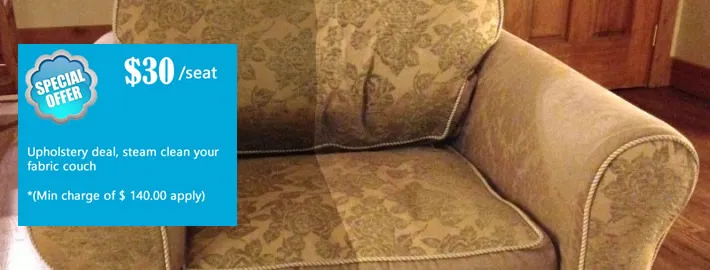
Your sofa is one of the most-used pieces of furniture in your Melbourne home - and one of the most difficult to keep in pristine condition. Daily use means it accumulates dust, skin cells, food debris, pet hair, and occasional spills that gradually dull its appearance and create odours. Professional upholstery and couch cleaning at least once a year keeps your sofa in genuinely excellent condition, but maintaining it between professional visits with the right DIY approach makes a real difference. Here is a practical step-by-step guide.
Step 1: Check the Cleaning Code First
Before applying any product to your sofa, locate and read the manufacturer’s cleaning code label, typically found on the underside of a cushion. This code tells you what cleaning agents are safe to use:
- W: Water-based cleaning agents are safe
- S: Use solvent-based (water-free) cleaners only
- WS: Both water-based and solvent-based cleaners are suitable
- X: Vacuum only - no wet cleaning of any kind
Following this guidance is essential. Using water-based products on an S-coded fabric can cause permanent shrinkage, water staining, and texture changes. If your sofa has no visible code or you are uncertain, test any product in a hidden area and allow it to dry fully before proceeding.
Step 2: Vacuum Thoroughly Before Anything Else
The first and most important step is always thorough vacuuming. Your sofa collects significant quantities of dust, fine debris, hair, crumbs, and other loose particles, and attempting any wet cleaning before vacuuming grinds this material further into the fabric fibres.
Use your vacuum cleaner’s upholstery attachment to cover every surface systematically - seat cushions (top and sides), back cushions, arm rests, and the main sofa body beneath removable cushions. Pay particular attention to seams and folds where debris concentrates. Remove all cushions and vacuum underneath and behind them as well.
If there is a crevice tool available, use it along every seam and tuck to extract the debris that always collects in these areas. A lint roller used afterwards is effective for picking up fine pet hair that vacuuming misses.
Step 3: Cleaning Time - Wet Cleaning for W and WS Fabrics
For fabrics rated W or WS, a light wet clean can remove surface soiling and refresh the appearance considerably. The key is to use the right solution and to avoid saturating the fabric:
DIY cleaning solution: Mix a small quantity of mild dish-washing soap or upholstery shampoo with warm water. Stir to combine - you want the cleaning solution more than the foam. Alternatively, commercial upholstery spray cleaners formulated for your fabric type work well.
Application technique: Apply the solution sparingly to a clean white microfibre cloth - not directly to the sofa - and work in small sections. Use gentle circular motions with light pressure. The aim is to lift surface soiling without driving moisture into the deep padding layers. Work systematically across the sofa rather than concentrating on one area until it is perfect before moving on.
If the fabric is moisture-sensitive or you have any doubts, use less product than you think you need. Over-wetting is one of the most common DIY mistakes, and it can cause the padding beneath to retain moisture for days, creating ideal conditions for mould growth.
Step 4: Removing Stains
Stain removal on upholstery follows the same basic principle as stain removal on carpet - act quickly, blot rather than rub, and work from the outside of the stain toward the centre to prevent spreading.
For fresh liquid stains: blot immediately with a clean white cloth to absorb as much of the liquid as possible before it penetrates the fibres. Apply a diluted mild soap solution or a purpose-formulated upholstery stain remover, dwell briefly, then blot again.
For stubborn or dried stains, a paste of bicarbonate of soda and a small quantity of water applied to the stain, allowed to dry completely, and then vacuumed away is effective for many organic stains. Bicarbonate of soda is also useful for neutralising odours.
For significant staining - red wine, ink, pet accidents, or grease - DIY methods may be insufficient. Total Cleaning Melbourne’s professional upholstery and couch cleaning service uses commercial-grade spot treatment products that address these challenging stains more effectively than consumer alternatives.
Step 5: Allow the Sofa to Dry Completely
After any wet cleaning, the sofa must dry completely before use. This is non-negotiable - placing cushions back on a damp sofa or sitting on it before it has dried creates moisture retention conditions that encourage mould growth in the padding.
To accelerate drying:
- Open windows in the room to maximise air circulation
- Use a fan directed at the cleaned surface
- Remove cushion covers and dry them separately where possible
- If weather permits, place cushions outside in a sheltered area with good air movement
Do not apply upholstery protector or any further treatment until the sofa is completely dry throughout.
When DIY Is Not Enough
DIY sofa cleaning is effective for routine maintenance between professional visits, but it has clear limitations. It cannot provide the deep extraction that professional equipment achieves, it cannot address mould in deep padding layers, and it is not appropriate for heavily soiled upholstery or for delicate fabric types where moisture risk is significant.
Professional upholstery and couch cleaning should be scheduled at least once a year for sofas in regular family use. For homes with pets, young children, or anyone with allergies, twice-yearly professional treatment is a worthwhile investment. Total Cleaning Melbourne’s professional upholstery cleaning team serves homes throughout Melbourne.
FAQ
Q: Can I use a steam cleaner on my sofa?
Steam cleaning is effective for many upholstery types, but it is not suitable for all fabrics. S-coded fabrics must not be cleaned with water or steam. W-coded and WS-coded synthetic fabrics typically tolerate steam cleaning well. Natural fibres such as wool, linen, and silk require much more careful treatment and generally should not be steam cleaned with consumer equipment. When in doubt, defer to professional upholstery cleaning rather than risk damage.
Q: How do I get pet odour out of my sofa?
Pet odour in upholstery comes from urine, dander, and general organic accumulation. Bicarbonate of soda applied generously, allowed to dwell for several hours, and then vacuumed away addresses mild odours. For persistent or strong pet odours, enzymatic cleaners that break down the organic compounds causing the smell are more effective. For significant pet odour problems, Total Cleaning Melbourne’s professional upholstery cleaning service with targeted odour treatment delivers results that home methods cannot match.
Q: How often should my sofa be professionally cleaned?
For a sofa in regular family use in a Melbourne home, annual professional cleaning is the recommended minimum. Homes with pets or young children benefit from twice-yearly professional treatment. If your sofa has developed persistent odours, visible soiling in the seating areas, or stains that home cleaning has not resolved, professional treatment should not be delayed.
Total Cleaning Melbourne provides professional upholstery and couch cleaning services across Melbourne, restoring sofas and all fabric furniture to a fresh, clean condition. Contact us today to book your upholstery cleaning service.
IICRC-certified cleaning professionals serving all Melbourne suburbs since 2014.